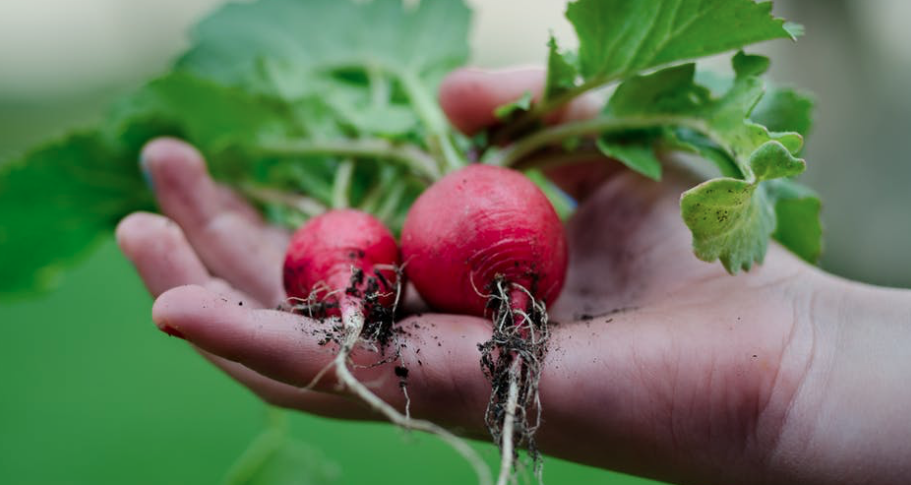
Often times when kids come in with dirt all over from playing outside, they are sent straight to the bath tub. But are we being overly cleanly? Is there something in dirt that we all need? And are we getting enough in today’s world? For most of us, probably not. Here’s why…
How We Used to Be Exposed to Dirt vs. Today’s Exposure to Dirt:
– Families use to store food in dirt cellars to preserve it and to ward off toxins such as bad bacteria and molds. This is a practice that is not commonly used today.
– Family farms and gardens were much more common. Not as many individuals are digging in a flower or vegetable garden. Most farms typically kept animals, exposure to farm animals also increase our exposure to dirt.
– Playing outside is also less common as technology has increased.
– We currently live in a world where we over sanitize through antibacterial products such as soaps and cleaners. This not only kills off the bad bacteria but the good, beneficial bacteria that our bodies need on a daily basis.
Benefits of Dirt Exposure:
Exposure to dirt has been known to improve specific areas of our body and to help fight infection.
1. Digestive System- exposure to dirt can help improve issues with irritable bowel, inflammation of the colon, indigestion, and can help the body absorb nutrients more effectively.
2. Immune System- dirt exposure can increase our immune response and reduces the likelihood of developing allergies.
3. Respiratory System- those exposed to dirt in their childhood are most likely to suffer less from asthma.
4. Fights Infection- dirt exposure has been know to help the body ward of infections such as bacteria, mold, fungi, yeast, and viruses.
Ways to Increase Your Dirt Exposure:
1. Eat and drink probiotic-rich foods & beverages- kefir, yogurt, & fermented vegetables such as sauerkraut are great options!
2. Don’t sanitize your produce- when we use a produce sanitizer or scrub dirt off our vegetables with a brush, we are taking away the beneficial soil-based organisms that our bodies need which are found in dirt. Instead, buy organic and simple rinse your produce.
3. Pets- Owning a pet, even a cat or dog, can increase our exposure to dirt and its benefits. Dog and cats that spend time outside bring soil-based organisms into the house. We can also receive the benefits of dirt by directly petting our furry friends.
4. Earthing or Grounding- get outside and walk barefoot! Connecting to the ground with our bare feet, especially after a rainfall, has a number of benefits for the body. One being that it allows are feet to come in contact with the organisms our bodies crave.
5. Shilajit supplement- literally a dirt supplement! It contains 85 different minerals that our body needs!
Are you concerned that your body is depleted in soil-based organisms? Learn about your body’s imbalances. Contact Balanced Health at 612-812-9121 or email us at info@creatingbalancedhealth.com
DISCLAIMER: Balanced Health, LLC/CBH Energetics and any parent, subsidiary, affiliated, or related entities and companies do not provide medical advice or services. This post and the bioenergetic products and services offered by Balanced Health, LLC/CBH Energetics including, but not limited to, bioenergetic tests, bioenergetic scans, bioenergetic reports and related products and services (collectively the “Bioenergetic Products and Services”) are designed for educational and informational purposes only and are not intended to diagnose, treat, cure, or prevent any disease, condition, complaint, illness or medical condition and are not a substitute for professional services or medical advice. Testing is not used for the purpose of obtaining information for the diagnosis, prevention, or treatment of disease or the assessment of a health condition or for identification purposes.
