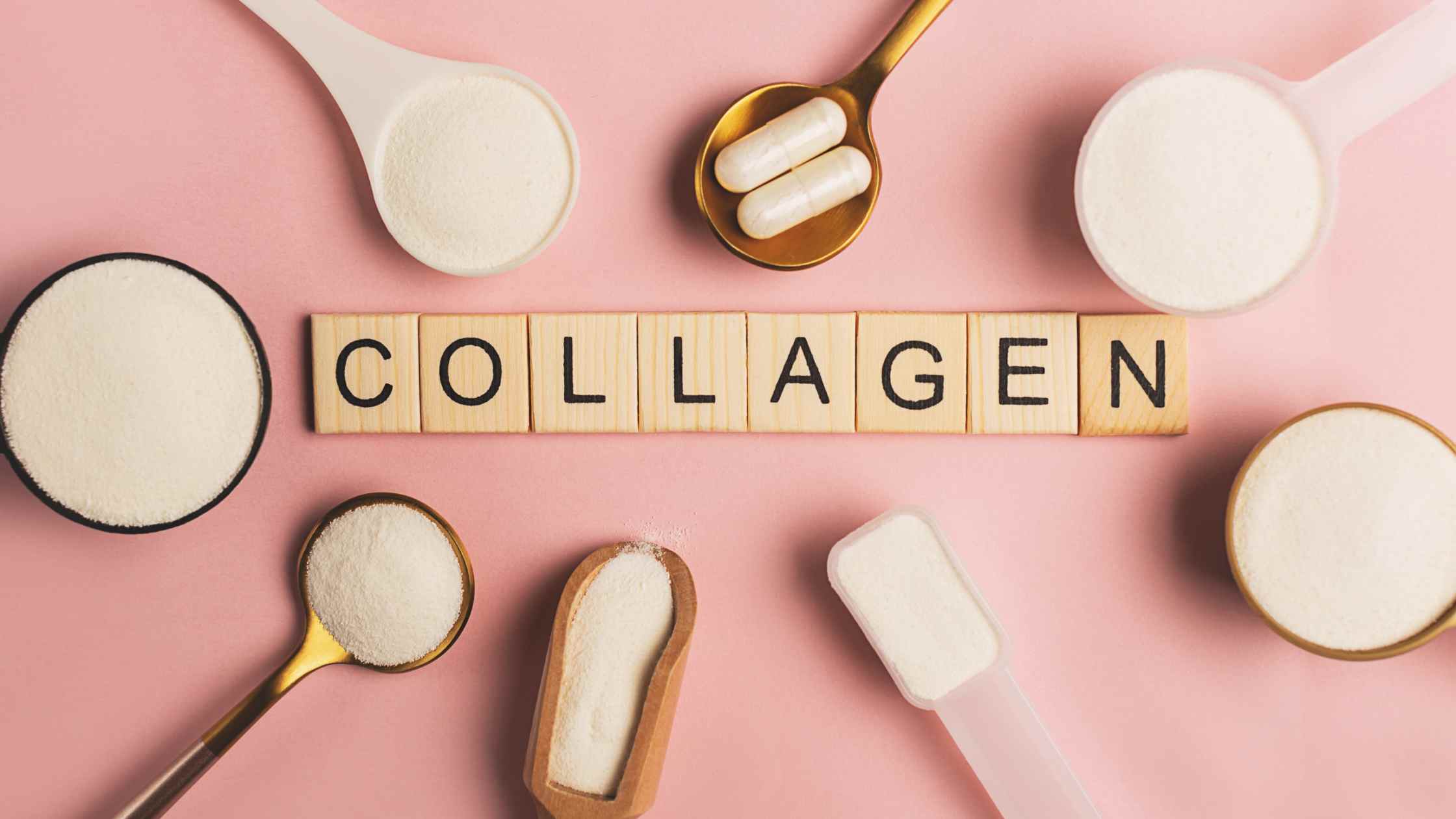
Collagen vs. Gelatin: is there a difference?
In the world of nutrition and wellness, there are few topics as hotly debated as the subject of collagen vs. gelatin: which one is better? Both have been hailed for their numerous health benefits, and both are derived from animal sources. But what exactly are collagen and gelatin, and how do they differ?
We’re diving into this question so you can make the right choice for your dietary needs and health goals, in choosing collagen vs. gelatin.
Many of our bioenergetic testing clients ask about bone broth, and collagen products, especially when they see stress in the Locomotor System or Digestive System.
The difference between collagen vs. gelatin is in the processing.
Both Collagen and Gelatin Have Health Benefits.
Many holistic health practitioners agree that both collagen and gelatin are beneficial for health, and choosing between the two often comes down to personal preference. Some people prefer the versatility and ease of use that comes with collagen peptides, while others prefer the unique culinary applications of gelatin.
Collagen peptides and collagen supplements can be tasteless, and easily blended into liquids. They also come in chewable supplements, and even capsules. They may also support gut healing and those who suspect they have leaky gut.
Regardless of which you choose, both collagen and gelatin are excellent sources of protein and can be a healthy addition to most diets and lifestyles. Most people easily tolerate both collagen and gelatin, except those with histamine intolerance.
What is Collagen?
Collagen is the most abundant protein in your body, accounting for about a third of its protein composition. It’s one of the major building blocks of bones, skin, muscles, tendons, and ligaments. Collagen is also found in many other places in your body, including your blood vessels, corneas, and teeth. In essence, it’s the ‘glue’ that holds your body together.
As you age, your body produces less and less collagen. This degradation can lead to a variety of health issues, including joint pain, sagging skin, and brittle nails. In recent years, collagen supplements have become popular for their purported ability to slow down the aging process and boost overall health.
Depending on the type of collagen product, it may contain only 19 of the 20 amino acids. Products make from fish skin (marine collagen) do not contain cysteine, and have a different content of hydroxyproline (1). Bone collagen contains the highest amount of hydroxyproline.

What is Gelatin?
Gelatin, on the other hand, is a product derived from collagen. When collagen is cooked, it breaks down into gelatin. This is the substance that gives broths and stews their rich, meaty flavor and jelly-like texture when cooled. Like collagen, gelatin is high in protein and has a unique combination of amino acids.
Gelatin has been used in food preparation for centuries, but it’s also become popular as a dietary supplement in recent years. It’s particularly praised for its ability to improve the health of skin, nails, hair, joints, and the digestive system.
Gelatin is higher in proline and glycine (2).
Collagen vs. Gelatin: are the foods that contain them the same?
Gelatin is in many food items as a thickener, including candy and yes, the famous Jello.
It also is in soups, if you are making them with your own stock derived from bones.
We can increase the amount of collagen in our bodies through the consumption of these homemade bone broths, gravies, and meats with the bones in. We can also support our own collagen production by making sure we are getting enough Vitamin C, Zinc and Copper in our diets.
Another option would be to consume a collagen or gelatin supplement. Powdered forms of these supplements can be added to various foods and beverages. Collagen is a great option for smoothies, teas, and other beverages, while gelatin is great to add to broths, gravies, or any food that you want to gel.
Collagen vs Gelatin: What Benefits the Body?
Both collagen and gelatin benefit the body in a number of ways:
– improve skin elasticity
– decrease wrinkles & signs of aging
– improve bone health
– improve joint health
– help naturally balance hormones
– improve digestion by coating the digestive tract
Whether you prefer collagen or gelatin, they both contain the same benefits and are a simple thing to add into your daily diet.
Top takeaways in the collagen vs. gelation debate.
One of the foes of collagen in the body is the spirochete Borrelia Burgdorferi. This is the prime organism in Lyme Disease. It has an affinity for collagenous structures and can cause widespread damage to joints.
Supporting the Locomotor System if you suspect that you may have Lyme is a top priority. Collagen supplements, and collagen rich foods can be part of supportive diet.
Both are also helpful for the Integumentary System, or skin, hair and nails! Collagen and gelatin can support your skin, from the inside out. They both contain protein, which staves off hunger and helps stabilize blood sugar.
Curious about your own Digestive or Locomotor Stress? A Full Scan can reveal links to your stressed systems in the bioenergetic areas of nutritional imbalances and resonating toxins.
DISCLAIMER: Balanced Health, LLC/CBH Energetics and any parent, subsidiary, affiliated, or related entities and companies do not provide medical advice or services. This post and the bioenergetic products and services offered by Balanced Health, LLC/CBH Energetics including, but not limited to, bioenergetic tests, bioenergetic scans, bioenergetic reports and related products and services (collectively the “Bioenergetic Products and Services”) are designed for educational and informational purposes only and are not intended to diagnose, treat, cure, or prevent any disease, condition, complaint, illness or medical condition and are not a substitute for professional services or medical advice. Testing is not used for the purpose of obtaining information for the diagnosis, prevention, or treatment of disease or the assessment of a health condition or for identification purposes.
