What is Clean Eating? A Simple Definition
Clean eating means choosing whole, unprocessed foods in their most natural state. Many people don’t make the connection between the food they eat and their health. In reality, the food we eat affects everything from our energy levels and the amount of inflammation in our bodies to whether we will develop a disease, and it is directly related to our health at a cellular level.
Food author Michael Pollan summarizes this best in his New York Times Bestseller, “Food Rules: An Eater’s Manual.”
“Eat food. Not too much. Mostly plants.”
It’s not about restriction or deprivation—it’s about nourishing your body with real food that supports optimal health. Pollan’s short answer cuts through the confusion regarding the proper foods to achieve maximum health.
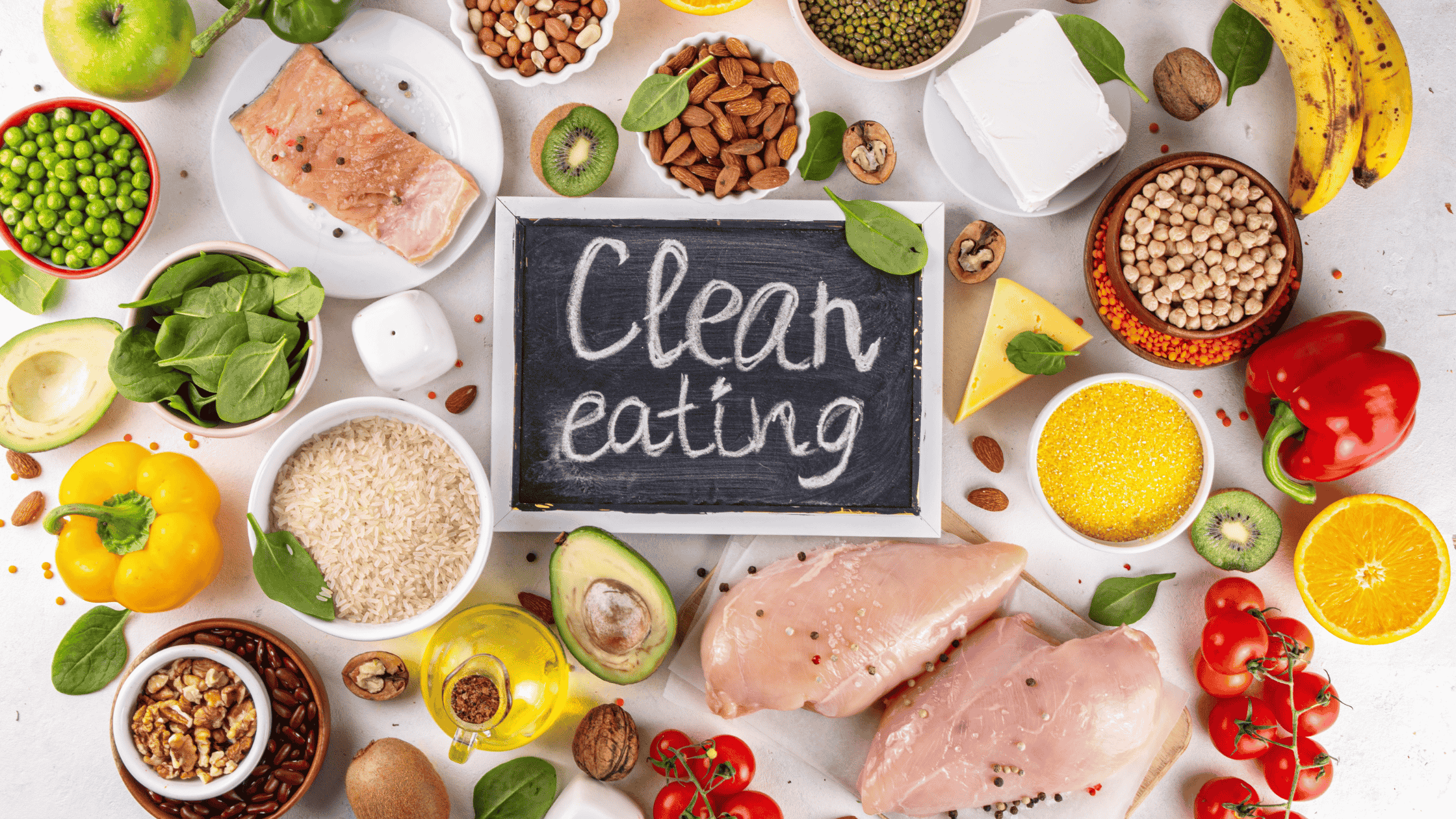
Why Clean Eating Matters for Your Health
“Every time you eat or drink you are either feeding disease, or fighting it.” Heather Morgan
Many of the “foods” available today are highly processed with undesirable ingredients like added sugars and chemical preservatives. We have also discovered that highly processed food removes much of the nutritional value that was once present, causing us to overeat because our bodies are searching for nourishment. When our bodies are undernourished, we open the door to a host of illnesses
The importance of proper nutrition has caused many people to adopt principles associated with “clean eating.” Clean eating has become a lifestyle choice in which an individual chooses to eat healthy, whole, unprocessed foods as close to their natural state as possible. It’s basically “going back to the basics” and becoming reacquainted with the food on our plates
Top Clean Eating Rules from Michael Pollan
In his book, Pollan outlines 83 simple food rules to help guide you on your path to clean eating.
Here are our Top Ten Favorite Food Rules:
1) Don’t eat anything your great-grandmother wouldn’t recognize as food
There are thousands of food-like substances in our grocery stores that our ancestors wouldn’t recognize as actual food. If it has been processed to the point that it’s unrecognizable, don’t eat it.
2) Eat foods made from ingredients that you can picture in their raw state or growing in nature
Exthoxylated diglycerides, methyclyclopropene, aspartame, astaxanthin, sodium benzoate, butylated hydroxyanisole…if they are created in a lab, it will take a lab to digest them.
3) Avoid products that make health claims
Margarine was one of the first industrialized foods to claim it was more healthful than butter, and it turned out to contain trans fats that have been shown to be a major contributor of heart disease. Real, healthy, and whole food doesn’t come with a schtick.
4) Shop the peripheries of the supermarket and stay out of the middle
Most supermarkets are laid out the same way. Fresh foods such as produce, meat, and fish line the perimeter, while processed food products are located in the center of the store. When you stick to the edges, you will end up with more real food in your cart.
5) Eat only foods that will eventually rot
As Pollan says in his book, “The more processed a food is, the longer its shelf-life and the less nutritious it typically is. Real food is alive, and therefore it should eventually die.”
6) It’s not food if it arrived through the window of your car
The fast food industry does a great job of selling us “food” that makes us fat and sick. This food is generally high in fat and sodium, loaded with sugar, and made up of animal products sourced from factory farms. Be conscious about where your food comes from because when it comes to food, “fast and cheap” is not as great as it seems.
7) Treat meat as a flavoring or special occasion food
This goes back to Pollan’s phrase “Eat Food. Not too much. Mostly plants.” The vegetables should be the star of the dish, and the meat should be the garnish. “Instead of an eight-ounce steak and a four-ounce portion of vegetables, serve four ounces of beef, and eight ounces of veggies.”
8) Don’t get your fuel from the same place your car does
American gas stations make the majority of their profits from “food” and cigarette sales, rather than from gasoline sales. Whether it’s a bag of chips or a hot dog that’s been sitting out on the warmer for God knows how long, you’re better off either hitting the salad bar at your local grocery store or staying hungry for just a bit longer. Trust us, you won’t starve to death.
9) Don’t eat breakfast cereals that change the color of the milk
Each year, an estimated 15 million pounds of synthetic dyes are added to the U.S. food supply. Artificial food dyes are chemical additives that have been linked to various types of cancers, neurological disorders, and genotoxicity, leading to mutations or damaging chromosomes. The FDA has banned certain food dyes; however, many still remain on the market that are known to be dangerous.
10) When you eat real food, you don’t need rules
It’s pretty simple, really. Eating is not complicated when you stick to the basics. You will find that when you eat real food, you feel better and you are able to manage your weight more effectively. This also aligns with the rule “Cook.” (You didn’t really think we could pick just 10, did you?) When you prepare your food, you foster a connection with your food. Our digestive process begins the moment we first see food, and when you take the time to prepare it, you become more mindful of what and how you eat.
How Clean Eating Supports Detoxification & Wellness
When you eliminate processed foods and focus on whole, nutrient-dense foods, you naturally support your body’s detoxification systems. Clean eating works synergistically with:
- Bioenergetic testing – to identify bioenergetic food sensitivities
- Binders, like activated charcoal – to eliminate toxins more effectively
- Understanding mycotoxin detoxification – learn how long it takes your body to clear toxins
Many people dealing with chronic illness find that mercury detoxification requires both dietary changes and targeted supplementation. Clean eating combined with bioenergetic testing can help identify food sensitivities holding you back.
Clean Eating Recipes for Beginners
Wondering what a day of clean eating looks like? Check out the following sample menu:
B R E A K F A S T: Morning Smoothie
Combine in a blender:
• 1 cup unsweetened goat’s milk, unsweetened nut milk, or fresh coconut water • ½ banana • 1 TBSP ground flax • Large handful of raw spinach • 1 cup frozen berries of choice • ¼ tsp ground cinnamon • Ice (optional)
S N A C K
• ½ green apple • 10 almonds or walnuts
L U N C H: Spinach Salad with Tarragon Mustard Vinaigrette
(Serves 2)
Salad Ingredients:
• 4 cups spinach, baby kale, or any other favorite, hearty, and leafy green • ½ cup red bell pepper, chopped • 1 carrot, shredded • ½ large avocado, diced • 2 TBSP pumpkin seeds
Tarragon Mustard Vinaigrette:
• 1/3 cup extra virgin olive oil • 1 TBSP dried tarragon • 1 lemon, juiced • ¼ tsp sea salt • 1 TBSP apple cider vinegar • ¼ tsp ground black pepper • 1 tsp Dijon mustard • 1 large clove of garlic, pressed
Instructions: Add all dressing ingredients to a glass jar, saving the olive oil for last. Whisk ingredients together while slowly pouring in oil to emulsify. Dressing can be stored in the refrigerator for up to one week.
💡 You can also add a clean protein to the salad. Wild-caught salmon or organic pasture-raised chicken are great options.
S N A C K
• 2 TBSP hummus with raw vegetables
D I N N E R: Spring Berry Salad with Blueberry Vinaigrette
(Serves 2)
Salad Ingredients:
• 2 cups baby spinach • ½ cup fresh blueberries • ½ cup purple cabbage, chopped • ¼ cup chopped green onion • ½ cup chopped red pepper
Add all ingredients to a large bowl, and toss with vinaigrette. Top with 4 oz of grilled wild-caught salmon or pasture-raised organic chicken.
Blueberry Vinaigrette:
• ½ cup blueberries • 1 small clove pressed garlic • 1 TBSP apple cider vinegar • Sea salt to taste • 2 TBSP extra virgin olive oil • Pepper to taste
Instructions: Add all ingredients to a blender and combine.
D E S S E R T: Carrot Cake Bites
(Makes 15 TBSP-sized bites)
Ingredients:
• 2 large carrots, peeled and grated • ½ cup raw pecans • ½ cup raw walnuts • 5 medjool dates, pitted • 1 heaping tsp cinnamon • ½ tsp ginger • ¼ tsp nutmeg • ½ tsp sea salt • ½ tsp vanilla extract • Small squeeze fresh lemon juice • ½ tsp unsweetened shredded coconut (for rolling)
Instructions:
-
Place the pecans, walnuts, spices, sea salt, and lemon in a food processor and process until well ground, careful not to turn the mixture into nut butter.
-
Add the dates, one at a time, and process until combined.
-
Add the carrots, and continue processing until a dough is formed.
-
Place the shredded coconut in a bowl, form the carrot mixture into balls, and roll in the coconut.
-
Place the bites on a parchment-lined cookie sheet and put in the refrigerator to set.
-
Store in a covered glass container in the refrigerator.
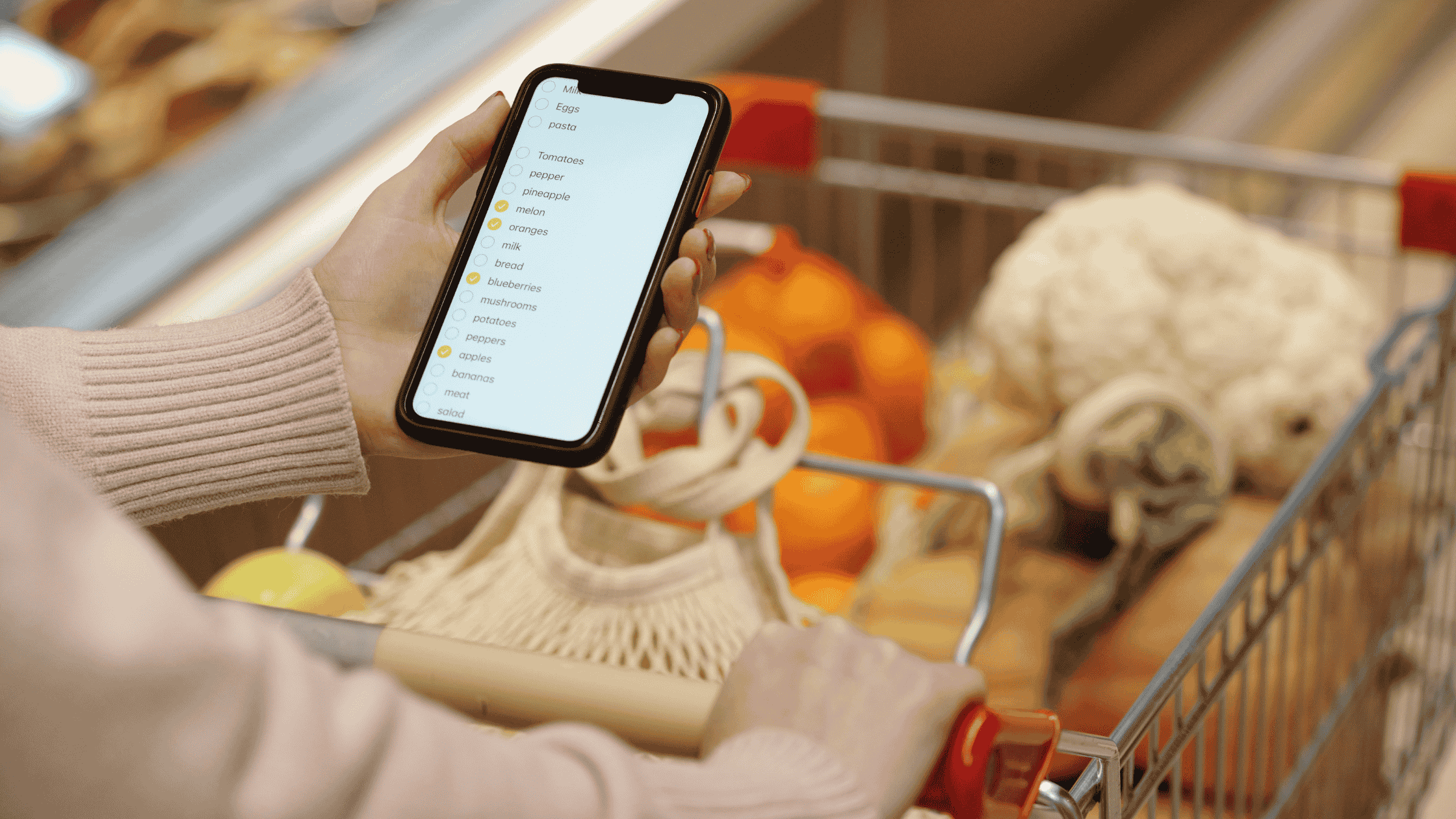
Clean Eating Shopping List Essentials
To make clean eating easier, stock your kitchen with these whole food staples:
Clean Eating Proteins
- Grass-fed beef, wild-caught fish, organic chicken
- Eggs from pasture-raised chickens
- Legumes and beans
Fruits and Veggies
- Leafy greens (spinach, kale, arugula)
- Cruciferous vegetables (broccoli, cauliflower)
- Berries, apples, citrus fruits
Healthy Fats
- Avocados, nuts, seeds
- Extra virgin olive oil, coconut oil
- Wild-caught fatty fish (salmon, sardines)
Complex Carbohydrates
- Quinoa, brown rice, sweet potatoes
- Oats, buckwheat
- Sprouted grain bread
Ready to take your wellness journey to the next level? Discover how bioenergetic testing can personalize your nutrition plan and identify what your body truly needs.
About the Author: Samantha Stupak
Samantha Stupak is the Founder of CBH Energetics with over 12 years of experience and more than 50,000 bioenergetic scans analyzed worldwide. Her work focuses on identifying patterns of imbalance across systems and helping clients and practitioners understand the deeper connections driving their health challenges. Her methodologies are applied across thousands of client cases annually. Her areas of expertise include bioenergetic testing, hormone balancing, detoxification, nervous system regulation, metabolic health, and Lyme disease. She also sits on the board of the American Intervention Institute.
Hear Samantha’s Story and connect with her here: LinkedIn Profile
Her work and insights have been featured in:
- Be Organic Podcast
- The Pet Parenting Reset
- Healthy by Heather Brown
- Voyager Minnesota Publication
- Baumen Wellness with Dr. Ed Bauman
- Break the Rules Podcast with Dr. Lauryn Lax
Explore CBH platforms:
DISCLAIMER: Balanced Health, LLC/CBH Energetics and any parent, subsidiary, affiliated, or related entities and companies do not provide medical advice or services. This post and the bioenergetic products and services offered by Balanced Health, LLC/CBH Energetics including, but not limited to, bioenergetic tests, bioenergetic scans, bioenergetic reports and related products and services (collectively the “Bioenergetic Products and Services”) are designed for educational and informational purposes only and are not intended to diagnose, treat, cure, or prevent any disease, condition, complaint, illness or medical condition and are not a substitute for professional services or medical advice. Testing is not used for the purpose of obtaining information for the diagnosis, prevention, or treatment of disease or the assessment of a health condition or for identification purposes.
