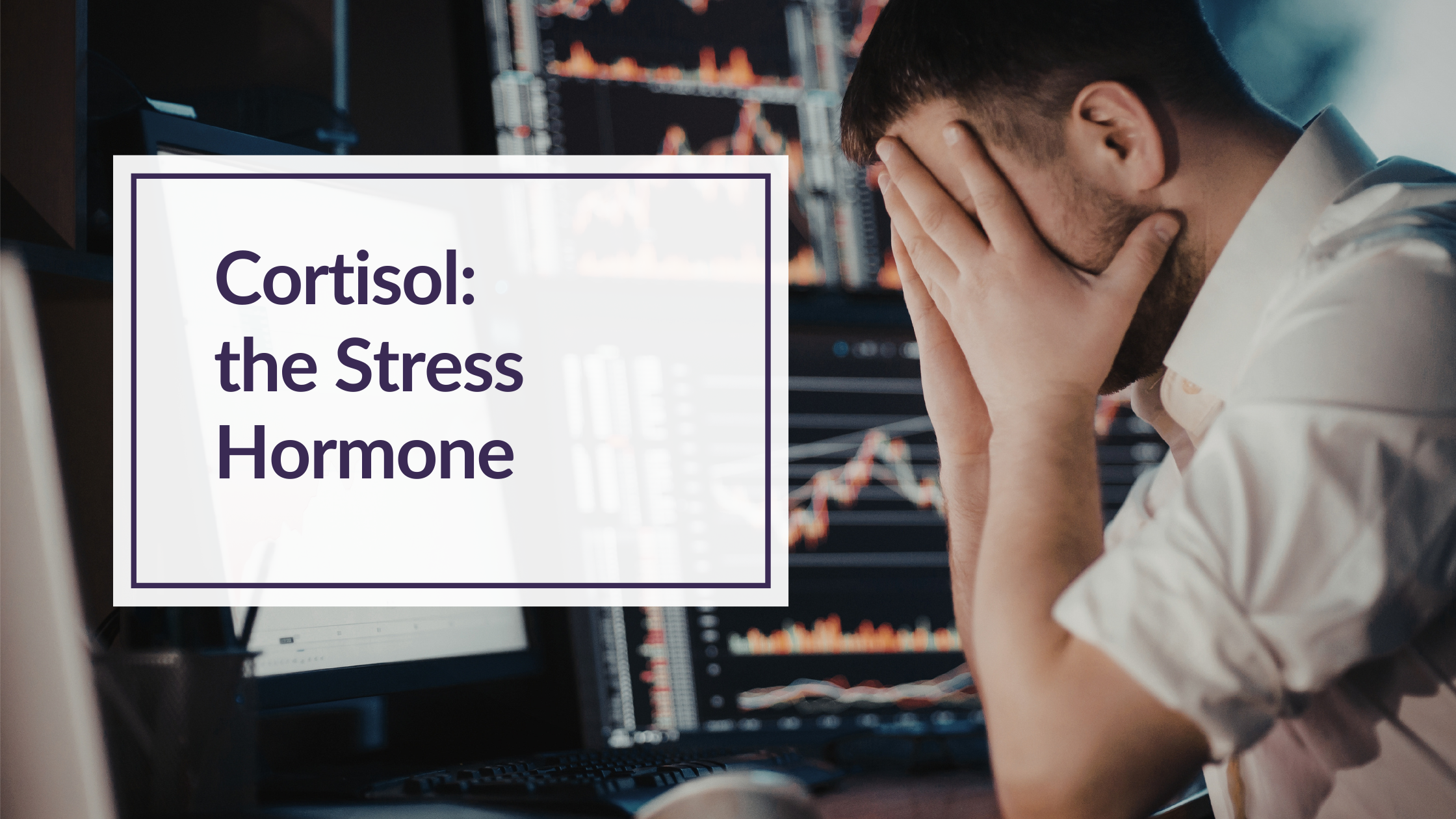
Understanding Cortisol Levels: How Stress Impacts Your Body (and What “Cortisol Face” May Be Telling You)
The holiday season is often filled with excitement as we gather with family and friends. But alongside the joy, many people experience increased stress while preparing meals, traveling, and trying to make every moment special.
While we may look forward to these celebrations, our bodies can respond very differently. During times of stress, a small region at the back of the brain called the hypothalamus sends signals through the nervous system to the adrenal glands, which sit on top of the kidneys. These glands release adrenaline and the body’s primary stress hormone called cortisol.
Cortisol plays an important role in helping the body respond to challenges. However, when cortisol levels remain elevated for long periods of time, it can begin to affect multiple systems throughout the body.
What Happens When Cortisol Levels Are High?
Cortisol helps the body react quickly during stressful situations. It can increase heart rate, raise blood pressure, and release glucose into the bloodstream to provide quick energy.
While this response is helpful in short bursts, chronically elevated cortisol levels can place strain on the body over time. When stress becomes constant, the body may remain stuck in a prolonged “fight or flight” state.
Over time, high cortisol levels may contribute to symptoms such as:
-
anxiety and irritability
-
depression or mood swings
-
digestive discomfort
-
high blood pressure
-
sleep disruption
-
irregular menstrual cycles in women
-
weakened immune function
-
difficulty concentrating or memory issues
-
weight gain, particularly in the midsection
-
facial puffiness sometimes referred to as “cortisol face”
“Cortisol face” is a term people often use to describe facial swelling or puffiness that can occur when the body is under prolonged stress and cortisol remains elevated.
Natural Ways to Support Balanced Cortisol Levels
The good news is that there are simple lifestyle practices that can help support balanced cortisol levels and reduce the impact of chronic stress.
Many people find benefit from incorporating:
-
regular aerobic exercise
-
yoga or gentle stretching
-
meditation or breathwork
-
laughter and social connection
-
listening to calming music
-
prioritizing quality sleep
-
limiting processed foods and refined sugars
Certain natural supports, such as melatonin for sleep support or herbs like licorice root, are also commonly used to help regulate the body’s stress response when used appropriately.
Small daily shifts in routine can make a meaningful difference in how the body regulates stress hormones over time.
Looking Deeper at Cortisol Levels
Sometimes persistent symptoms of stress may signal that the body is struggling to regulate its hormonal balance. Instead of guessing, deeper insight into the body’s stress patterns can provide clarity.
Through bioenergetic testing, CBH Energetics and PetMedella can assess resonating hormone patterns, including cortisol levels, to help identify areas of imbalance. Understanding these patterns can help guide personalized strategies that support the body’s natural ability to restore balance.
When the body receives the right support, cortisol regulation often improves alongside energy, sleep, mood, and metabolic health.
