What Is Clean Eating?
If you’ve ever Googled what is clean eating, you’ve probably found everything from rigid diet plans to endless lists of foods you’re “allowed” to enjoy. The origins of clean eating seem to trace back to a popular Canadian fitness coach who lost weight through her approach to whole, unprocessed, simple foods. Clean eating grew into a “perfect” way to eat—but over time, it became tangled with food guilt, restriction, and a long list of conflicting rules.
This guide brings clean eating back to what actually matters: supporting your digestion, hormones, mood, and daily energy. No judgment. No perfectionism. Just smart, supportive, clean eating tips that help your body work better.
Clean eating is a style of eating that focuses on choosing foods that look close to how they came from nature. The goal isn’t purity—it’s nourishment.
At the core, clean eating tips will emphasize:
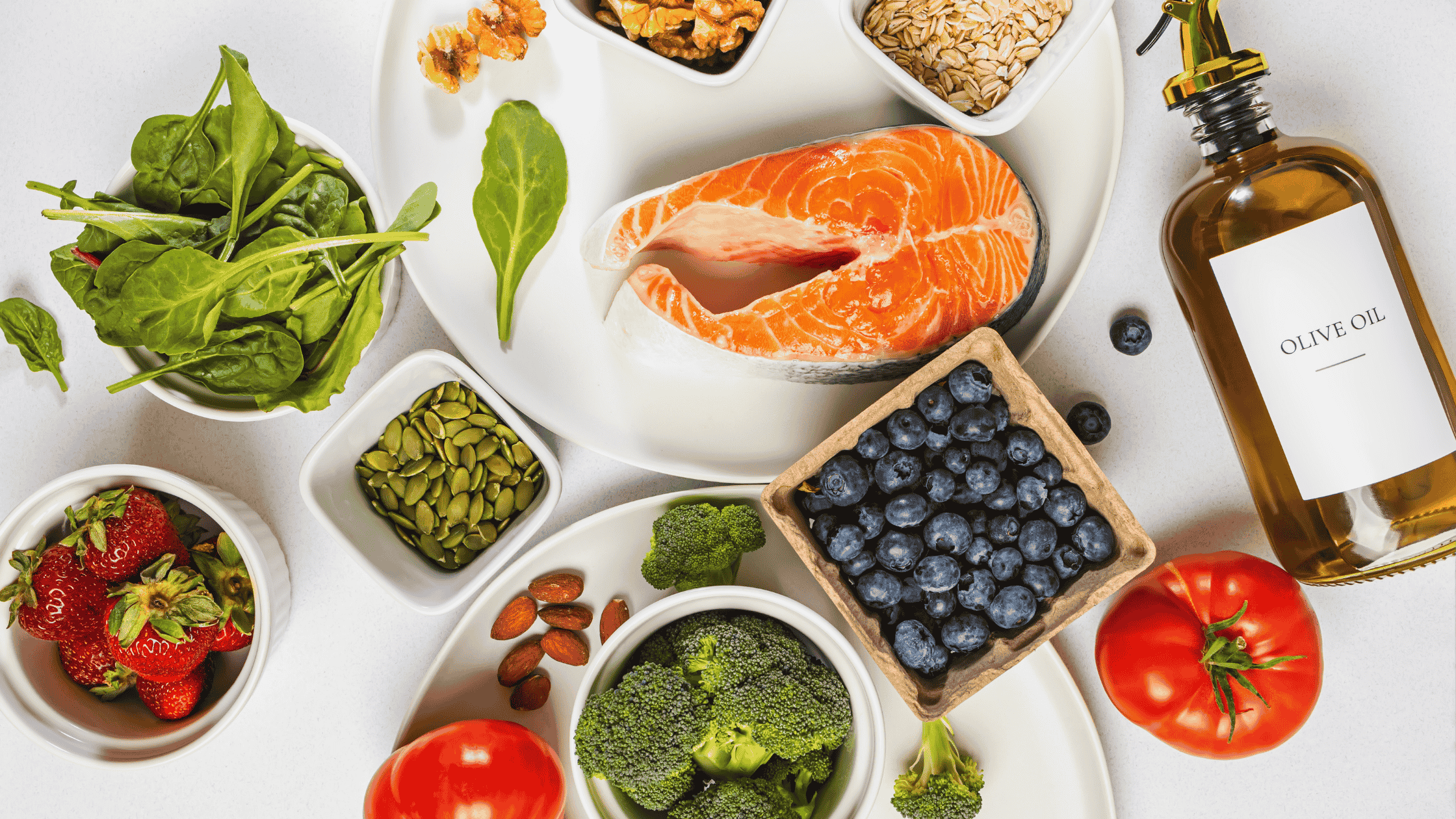
- Whole foods over ultra-processed foods
- Balanced meals built around protein, healthy fats, and fiber-rich carbohydrates
- Reducing additives, dyes, excess sugar, and artificial ingredients
- Choosing quality when possible (local, organic, pasture-raised, minimally processed)
- Supporting digestion, energy, mental clarity, and metabolic health
Clean eating is not a trend—it’s an approach that prioritizes foods your body can recognize and break down efficiently. It also isn’t the only road to wellness. Supporting your drainage pathways and your mental and nervous system health leads to less inflammation and stress in your body.
Clean eating does not mean:
- Cutting entire food groups (unless you have food sensitivities)
- Avoiding all packaged foods
- Eating “perfectly” every day
- Following quick-fix cleanses or extreme diets (CBH prefers the custom-tested, personalized approach to support your body).
Think of clean eating as a spectrum rather than a rulebook. You can adapt it to your lifestyle, health needs, budget, and culture.
Is Clean Eating for You?
If you’ve been looking for clean eating tips, it can help to first understand why this approach supports so many people. Clean eating often feels grounding and balancing, especially if you want to:
Improve your energy and mood
Whole foods stabilize blood sugar, decrease inflammation, and support steady energy throughout the day. Certain foods may cause brain fog, especially in perimenopause.
Support hormonal balance
Protein, healthy fats, and fiber all influence estrogen detoxification, thyroid health, cortisol balance, and insulin sensitivity—major pillars in midlife wellness and also perimenopause.
Reduce digestive complaints
Many people experience relief from bloating, constipation, reflux, and sluggish digestion when they remove the heavy burden of ultra-processed foods.
Support healthy aging
Nutrient density matters even more in your 40s, 50s, and beyond. Clean eating naturally prioritizes vitamins, minerals, amino acids, polyphenols, and antioxidants.
Improve metabolic health and blood sugar
Stable blood sugar supports weight management, metabolic health, cravings, mental clarity, and inflammation regulation.
Strengthen immunity and reduce toxic load
Clean eating helps you avoid synthetic additives, dyes, pesticides, and artificial ingredients that may stress detox pathways, especially important if you’ve dealt with mold toxicity, chronic illness, or environmental sensitivities. Your Immune System depends on nutrients such as your basic vitamins A, D, E, and K, zinc, magnesium, iodine, prebiotics, probiotics, and Omega-3.
Clean eating is for you if you want to feel nourished, balanced, and more connected to what your body needs.

Clean Eating and Better Digestion
Clean eating supports digestion in several powerful ways—scientifically and energetically.
- More fiber = better microbiome
Fiber from vegetables, fruits, nuts, seeds, beans, and whole grains feeds beneficial gut bacteria. This balanced microbiome plays a role in metabolism, immunity, mood, estrogen detoxification, and inflammation reduction. - Less inflammatory load
Ultra-processed foods, synthetic additives, seed oils heated to high temperatures, and excess sugar can trigger inflammation in some people. Clean eating reduces this burden, giving your gut time to repair and calm down. - Improved stomach acid and enzyme function
Eating whole foods requires actual chewing and stimulates digestive enzymes, stomach acid, and bile—things that go dormant when meals are soft, processed, or eaten too quickly. - Reduced bloating
When your digestion is supported, bloating naturally decreases. Clean foods move through the gut more predictably and help regulate bowel movements. - Sensitivity awareness
Many people discover hidden food sensitivities, triggers, or digestive intolerances when eating cleaner—helping them personalize their approach long-term. - Better detoxification
Clean eating supports the liver, gallbladder, and lymphatic system. High-fiber foods bind to toxins and excess hormones for safer elimination. Bitter greens stimulate bile flow. Hydrating foods support kidney function. - Supporting the gut-brain link
One of the best clean eating tips is to keep the enteric nervous system in mind as you feed your gut clean foods, giving it the nutrients it needs to support mood, focus, and hormone balance—especially in midlife.
With bioenergetic testing, clients often see improved digestive and energetic resilience after even a few weeks of eating cleaner, because the body’s “load” is lower. This may occur because of the energetic food sensitivities that may show up on your Full Scan results.
If you’ve tested with us and want to navigate common food sensitivities on bioenergetic testing, read the blog below!
Who Should Not Practice Strict Clean Eating?
While clean eating can help many people, a strict or rigid version isn’t right for everyone. Here are a few situations where flexibility matters more than food rules:
- Anyone with a history of eating disorders or orthorexia
Rules around food can be triggering. In these cases, a gentle, flexible approach—or working with a professional—is safer. - Pregnant or breastfeeding individuals who need more calories
Over-restricting calories or food groups can interfere with nutrient intake. - Highly stressed individuals
If you’re already overwhelmed, adding rigid food rules can increase stress hormones like cortisol, which may worsen digestion, sleep, and mood. - People with chronic illnesses who need higher caloric density
If you are struggling with Lyme disease or mold exposure, you may need more calories, and that can include some convenient foods. Nourishment comes first. - Those dealing with financial or access limitations
Clean eating should never be a marker of privilege or perfection. You can eat clean on any budget with frozen vegetables, simple proteins, and affordable staples.
Clean eating should empower, not restrict.
A supportive, flexible approach is the goal. Not obsession.

Clean Eating Tips (Realistic & Sustainable)
These clean eating tips are meant to feel realistic and sustainable, not overwhelming.
1. Start with one upgrade per meal. Clean eating is not all-or-nothing. Upgrade your meals with small additions:
- Add spinach or greens to scrambled eggs.
- Swap white pasta for chickpea or whole-grain pasta.
- Replace sugary yogurts with plain Greek yogurt + fruit.
2. Eat protein with every meal.
This keeps blood sugar steady, supports hormones, and helps you feel satisfied. Most people feel better aiming for 20–30g at a time.
3. Shop the perimeter of the grocery store.
You’ll naturally gravitate toward whole foods: produce, meat, seafood, eggs, dairy, nuts, seeds, and fresh staples.
4. Choose “cleaner” packaged foods.
You don’t have to cut out convenience—just choose smarter options:
- Fewer ingredients
- No artificial dyes, which can have a negative impact on the brain and nervous system
- No high-fructose corn syrup. This can stress the liver.
- Minimal additives.
- Less seed-oil-heavy snacks
5. Make half your plate plants.
Vegetables and fruits provide fiber, hydration, antioxidants, and phytonutrients that support digestion and detox pathways.
6. Drink enough water.
Digestion and cellular health depend on hydration. Start with 2–3 liters per day, more if active.
7. Focus on blood sugar balance. Think “no naked carbs.”
Add:
- Protein
- Fiber
- Healthy fats
- Slow carbs
It’s the secret to energy, mood, metabolism, and hormone balance.
8. Reduce your toxic load gently. Clean eating reduces compounds like:
- Artificial sweeteners
- Additives
- Dyes
- Pesticides
- Mold-prone foods (nuts, dried fruits, even chocolate or grains can be mold-prone)
- Alcohol
9. Cook at home more often.
Home-cooked meals give you control over ingredients, oils, seasonings, and sourcing. Start with 2–3 meals per week.
10. Keep some “fun foods.”
Chocolate, pizza, wine—these don’t need to completely disappear. Work with your sensitivities, budget, and capability. Clean eating includes joy.
- Prioritize nourishment before indulgence
- Choose dark chocolate with minimal ingredients
- Natural wines, if tolerated
- Sourdough pizza
11. Don’t moralize food.
Food is energy, information, and nourishment—not a marker of your worth. Avoid labeling foods as “bad” or “dirty.” Use terms like:
- Nourishing
- Energizing
- Harder to digest
- Ultra-processed
- Gut-friendly
12. Listen to your body
Your hunger, fullness, digestion, mood, sleep, and energy give you more accurate feedback than any food rule ever will.
Final Thoughts: Clean Eating Is About Clarity, Not Perfection
When you ask, “What is clean eating?” the best definition is this:
Clean eating is simply choosing more foods that help your body thrive—and fewer foods that make it work harder. No guilt. No shame. No rules that disconnect you from your own intuition.
Just nourishment, balance, digestion support, and the kind of eating that leaves you feeling lighter, clearer, and more in control of your health.
Clean eating isn’t a destination you “perfect.” Like Mindful Eating, it’s a practice—flexible, realistic, and deeply supportive of your body’s natural intelligence.