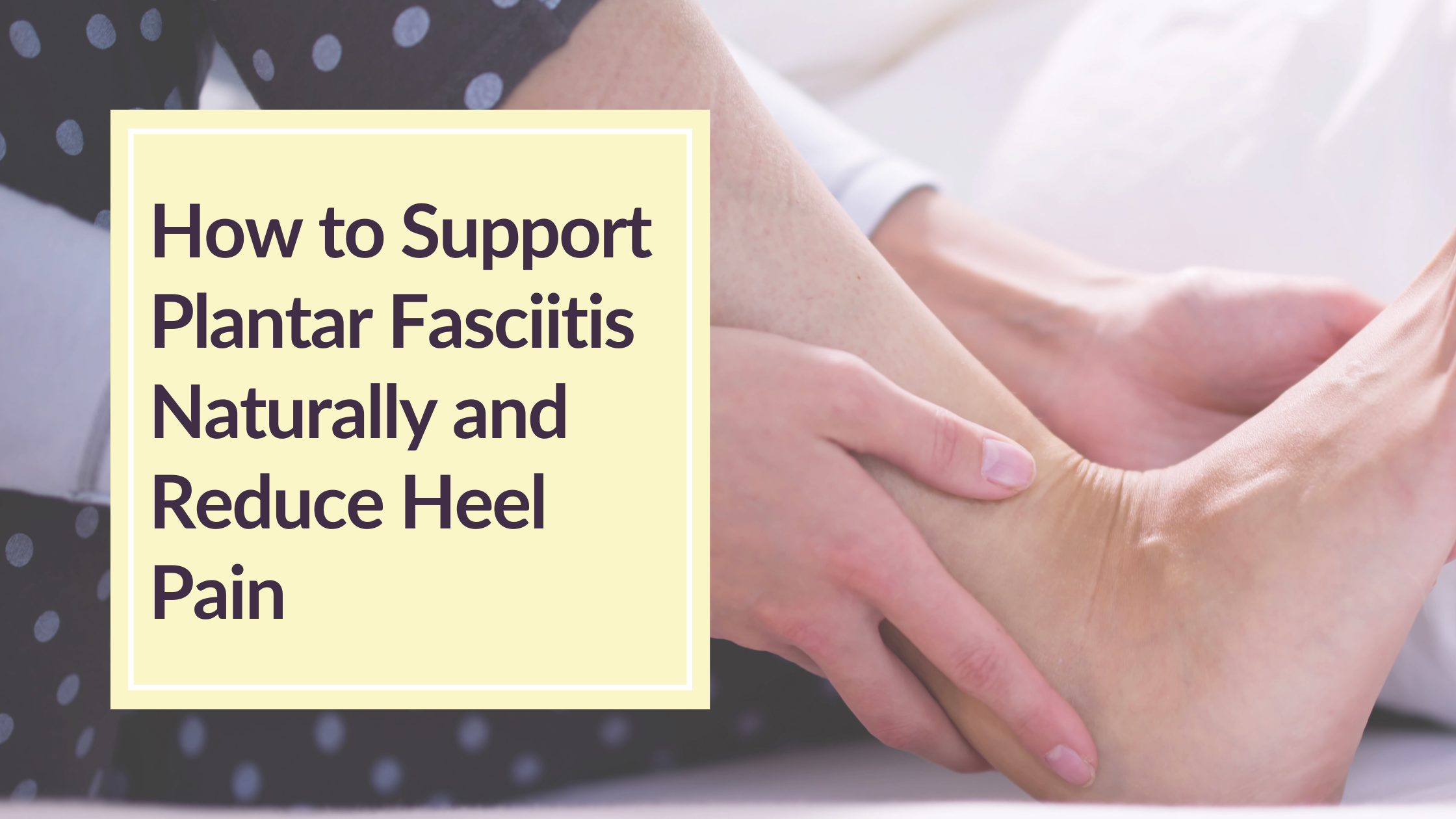
Plantar fasciitis is one of the most common sources of heel pain.
Plantar fasciitis is one of the most common causes of heel pain, affecting an estimated 1 in 10 people at some point in their lives. It involves irritation and microstrain of the plantar fascia, a thick band of connective tissue that runs along the bottom of the foot and supports the arch.
While it is often labeled as a simple overuse issue, plantar fasciitis is rarely just about the foot. In many cases, it reflects broader patterns involving biomechanics, inflammation, tissue recovery, and systemic stress within the body.
Understanding these patterns is key to finding lasting relief.
What Is Plantar Fasciitis?
The plantar fascia acts like a shock-absorbing support system for your foot. It helps distribute weight and stabilize movement when you walk, run, or stand.
When this tissue becomes overloaded or strained repeatedly, small tears can develop. Over time, this leads to:
-
Inflammation and irritation
-
Stiffness, especially after rest
-
Pain with pressure or movement
-
Reduced flexibility in the foot
This is why many people notice pain first thing in the morning or after long periods of sitting.
Signs and Symptoms of Plantar Fasciitis
Understanding the early signs can help you respond before the discomfort becomes more persistent.
Common symptoms include:
-
Sharp heel pain, especially with the first steps in the morning
-
Foot discomfort that increases with walking or standing
-
Tenderness along the bottom of the heel
-
Mild swelling in the foot
-
Stiffness after periods of rest
Many individuals notice that movement temporarily eases discomfort, but symptoms often return after extended activity.
What Contributes to Plantar Fasciitis and Heel Pain?
Most people are told plantar fasciitis is caused by “overuse,” but that is only part of the picture. There are typically multiple contributing factors.
1. Mechanical Stress and Movement Patterns
-
Prolonged standing or walking on hard surfaces
-
High-impact exercise such as running or jumping
-
Improper footwear or lack of arch support
-
Flat feet or excessive pronation
-
Tight calf muscles or Achilles tendon
These factors increase strain on the plantar fascia over time.
2. Body Weight and Load Distribution
Excess weight increases pressure on the feet, particularly the heel. Even moderate weight gain can significantly change how force is distributed across the plantar fascia.
3. Tissue Recovery and Inflammation
When the body is in a state of chronic inflammation or poor recovery, tissues may not repair efficiently.
Contributors may include:
-
Inflammatory dietary patterns
-
Blood sugar instability
-
Oxidative stress
-
Circulatory challenges
4. Nutrient Support for Connective Tissue
The plantar fascia is made of collagen-rich connective tissue. Proper repair depends on nutrients such as:
-
Vitamin C (collagen formation)
-
Magnesium (muscle and tissue relaxation)
-
Zinc (tissue repair)
-
Amino acids like glycine and proline
Low levels or poor absorption can slow healing, which is why we always think testing should be a top priority.
5. Nervous System and Muscle Tension
Chronic stress can increase muscle tension throughout the body, including the calves and feet. This creates additional pull on the plantar fascia and can worsen symptoms over time.
Natural Ways to Support Plantar Fasciitis Relief at Home
If you are experiencing ongoing heel discomfort, these strategies can help support recovery and improve overall foot function.
1. Reduce Ongoing Strain
Giving the foot time to recover is key. Adjusting daily activity levels can help prevent further irritation.
-
Limit high-impact activities temporarily
-
Alternate standing with seated rest
-
Avoid walking barefoot on hard surfaces
2. Ice and Elevate
Applying ice for 15 to 20 minutes, two to four times per day, may help calm irritation. Elevating the foot can support circulation and reduce swelling.
3. Gentle Massage
Massaging the heel and arch can help release tension and improve blood flow. Using diluted essential oils such as lavender or rosemary can enhance the experience.
-
Gentle movement to promote blood flow
-
Foot rolling with a ball or massage tool
-
Alternating warm and cool applications
4. Choose Supportive Footwear
Shoes with proper arch support and cushioning help reduce stress on the plantar fascia. Avoid flat or unsupportive footwear during this time.
-
Wear supportive footwear with proper arch support
-
Use orthotic inserts if needed
-
Avoid worn-out shoes that no longer provide stability
5. Support a Healthy Weight
Reducing excess load on the feet can make a meaningful difference in comfort and mobility.
If symptoms are persistent, it may be helpful to look beyond the foot at:
-
Inflammation patterns
-
Nutrient status
-
Stress response
-
Movement imbalances
6. Stretch and Strengthen
Stretching the calves, Achilles tendon, and plantar fascia can improve flexibility and reduce tension. Guided support from a professional can help reinforce proper movement patterns.
Focus on:
-
Calf muscles
-
Achilles tendon
-
Bottom of the foot
Simple daily stretching can reduce tension pulling on the fascia.
7. Support Overall Tissue Function
Some individuals choose to incorporate additional wellness strategies that focus on circulation, recovery, and overall tissue support with an internal blend like this Intensive Cellular Repair trio. A topical formula like Care and Comfort Cream has also been beneficial for some.
When to Explore Deeper Support
One of the most frustrating aspects of plantar fasciitis is that it can linger for months or even years.
This often happens when:
-
Only the foot is addressed, not the full pattern
-
Underlying inflammation or stress remains unaddressed
-
Tissue repair is slowed by nutrient or circulation factors
-
Movement patterns continue to reinforce strain
The body rarely operates in isolated symptoms. Persistent pain often reflects a broader imbalance.
A more personalized approach can often uncover what is contributing to ongoing strain.
Final Thoughts
Plantar fasciitis is not always just a foot issue. It is often a reflection of how the body is handling stress, load, recovery, and support at a deeper level.
When you begin to look at the full picture, not just the symptom, it becomes easier to understand why the pain developed and what the body may need to restore balance.
Looking to Go Deeper?
If you are dealing with ongoing discomfort and want a more comprehensive view of what your body may be responding to, the CBH Full Bioenergetic Scan can help identify patterns across systems.
