NAC (N-Acetylcysteine) isn’t a supplement that shows up randomly in testing. Over 12 years of analyzing 50,000+ bioenergetic scans, I’ve seen NAC consistently surface in specific patterns: congested liver detox pathways, chronic viral stressors, heavy metal burden, and brain-related symptoms like fog and irritability.
This isn’t theory—it’s observation from real-world practice. NAC tends to appear when the body has been holding onto stress for a long time and is finally ready to move it. But timing, dosing, and individual tolerance matter more than most people realize.
In this guide, I’ll share what I’ve learned about NAC’s benefits for liver detoxification, respiratory health, brain function, and when—and how—to use it effectively based on what your body actually needs.
— Samantha Stupak, Founder of CBH Energetics
What Is NAC?
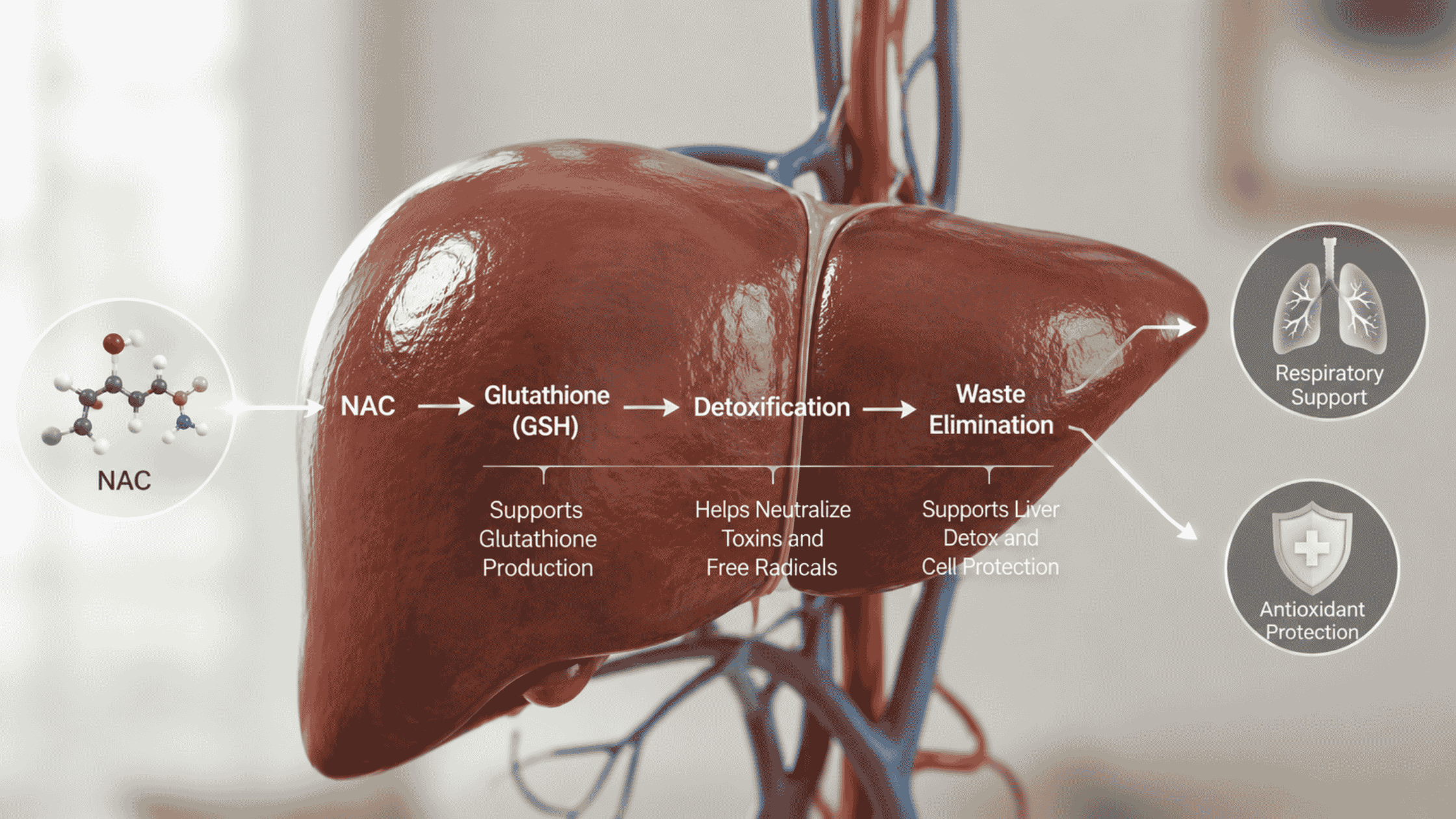
NAC (N-acetylcysteine) is derived from the sulfur-containing amino acid L-cysteine and is a precursor to one of the body’s most potent antioxidants: glutathione.
First introduced in the 1960s, NAC was initially used as a mucolytic—a substance that breaks down mucus—to aid those with respiratory conditions.
Beyond its mucus-clearing properties, NAC has been widely recognized for its role in liver support. (1) One of the early discovered health benefits of NAC supplements was their ability to restore glutathione levels and strengthen antioxidant defenses.
Over time, NAC’s uses expanded. It became a standard treatment for acetaminophen poisoning and now supports various health concerns, including:
- Lung and respiratory health
- Liver detoxification
- Brain health and cognitive function
- Immune System support
Even though NAC and glutathione are most concentrated in the lungs and liver, NAC’s health benefits extend throughout the body. Decades of clinical use and research have solidified NAC’s reputation as a powerful ally for overall well-being.
The Power of NAC Benefits for Lungs
NAC supplements are well-known for their beneficial effects on the lungs. Here’s how NAC targets the respiratory system:
Thins Mucus in the Airways: One of the most well-established NAC benefits is its ability to break down thick, sticky mucus, making it easier to clear from the airways. This action is particularly helpful for individuals with chronic respiratory conditions like chronic obstructive pulmonary disease (COPD), asthma, and cystic fibrosis, where mucus buildup can impede breathing. (2)
Reduces Lung Inflammation: NAC’s powerful antioxidative properties combat oxidative stress, a key factor in respiratory inflammation. By neutralizing free radicals, NAC reduces lung inflammation, helping those with chronic conditions breathe easier. (3)
Respiratory Health Booster: Studies suggest that NAC can help prevent complications from respiratory infections, making it a valuable supplement during cold and flu seasons. Research shows that NAC supplementation may reduce the frequency of acute exacerbations in chronic respiratory conditions. (4)
Enhances Lung Defense Mechanisms: NAC increases glutathione levels, bolstering the lungs’ natural defense against toxins and pollutants. This makes it a useful ally for individuals exposed to environmental irritants like smoke, pollution, and allergens.
NAC and Liver Support – Aids in Detoxification
Your liver is the body’s main detoxification organ, and NAC benefits liver health in powerful ways. Adding NAC to your wellness routine can amplify your body’s natural detox processes and support optimal liver function.
Replenishes Glutathione for Detoxification
NAC restores glutathione, a powerful antioxidant critical for neutralizing oxidative stress and harmful toxins. This replenishment helps the liver process reactive metabolites and metabolic byproducts that accumulate during detoxification.
Protects Against Toxin-Related Liver Damage
NAC helps shield the liver from damage caused by medications like acetaminophen, heavy metals, and alcohol. By strengthening antioxidant defenses, NAC mitigates inflammation and reduces oxidative stress, promoting better liver resilience. (5)
Aids Recovery from Fatty Liver Disease
For individuals with non-alcoholic fatty liver disease (NAFLD), NAC has shown promise in reducing liver inflammation, supporting cellular repair, and improving overall liver function. (6)
Enhances Bile Production and Toxin Elimination
By stimulating bile production, NAC aids the liver’s ability to expel toxins more effectively, which is crucial for maintaining a clean internal environment.
Supports Liver Health During Detox Programs
Whether you’re undergoing an intensive detox protocol or simply looking to optimize daily detoxification, NAC provides targeted support to reduce the liver’s workload and improve its efficiency.
Other Impressive NAC Health Benefits
Beyond its standout benefits for the lungs and liver, NAC offers a host of other health advantages:
Enhances Brain Health
NAC crosses the blood-brain barrier to protect brain cells from oxidative damage. Studies suggest its potential to:
- Improve mitochondrial function. (7)
- Protect against neurodegenerative diseases like Parkinson’s and Alzheimer’s. (8)
- Reduce the risk of stroke by supporting cardiovascular and neurological health.
Boosts Immune Function
NAC strengthens the Immune System by increasing glutathione levels. It also inhibits inflammatory enzymes, supporting the body’s ability to fight infections and promoting nervous system health.
NAC benefits include reducing the activity of inflammatory enzymes, which helps lower the production of compounds that can contribute to inflammation.
This anti-inflammatory effect of NAC also helps protect the body against infections from various organisms, including babesia.
Promotes Heart Health
One of NAC’s health benefits is its positive impact on heart health. It can help support healthy homocysteine levels, an amino acid that, when elevated, has been linked to cardiovascular concerns.
Research shows that NAC may improve endothelial function, which is crucial for cardiovascular health. (9)
Supports Mental Health
NAC benefits mental health by helping balance neurotransmitter systems, particularly glutamate. (10) These systems may be involved in mood regulation and cognitive function.
It works by balancing glutamate levels and replenishing glutathione, thereby protecting brain cells against oxidative stress.
Studies have shown that NAC may help manage cravings and support individuals working through addictive patterns, including nicotine and other substance dependencies. (11)
Improves Skin Health
NAC benefits can extend to skin health. (12) This benefit comes from NAC’s ability to work topically on sebaceous gland activity and decrease the growth of Propionibacterium acnes (one group of bacteria implicated in mild to moderate forms of acne vulgaris).
NAC’s health benefits don’t end there. There have been positive outcomes with using NAC for those with lamellar ichthyosis, bullous morphea, ulcers in scleroderma, toxic epidermal necrolysis, and dermatitis.
Supports Metabolic Health
NAC has been shown to manage inflammation markers, thereby lowering C-reactive protein, a marker of increased cardiovascular disease risk. It also helps lower blood sugar and insulin resistance.

NAC Benefits in Practice: Patterns from 50,000+ Bioenergetic Scans
Over 12 years of bioenergetic testing across 50,000+ client scans, NAC consistently shows specific resonance patterns in clients dealing with:
- Congested liver detox pathways: clients with viral stressors combined with heavy metal burden
- Chronic immune challenges: long-standing cases (symptoms lasting more than 6 months)
- Brain-related symptoms: clients reporting brain fog, irritability, or focus issues
- Addictive tendency patterns: clients with impulse regulation challenges
What This Means
NAC doesn’t appear randomly. It tends to surface when the body has been holding onto stress for extended periods, particularly in cases involving:
- Viral reactivation (especially Epstein-Barr virus)
- Heavy metal accumulation (mercury, lead, aluminum)
- Neurological dysregulation
- Stuck behavioral or mood patterns
NAC isn’t just about detox support—it’s about movement. It helps shift stagnation.
That can be:
- Physical: Supporting liver pathways, thinning mucus, clearing congestion
- Neurological: Helping clients feel clearer, more focused, less reactive
- Behavioral: Breaking out of loops related to cravings or compulsive patterns
The Detox Reaction Reality
One of the biggest things I’ve seen: people often need to start slow.
When detox pathways are congested, especially in the liver, introducing NAC too quickly can lead to what people describe as “detox reactions”:
- Headaches
- Fatigue
- Irritability
- A general sense of feeling off
This is usually not a negative reaction to NAC itself. It’s a reflection of the body mobilizing more than it can comfortably process at once.
I also pay attention to cases where overall sensitivity is high. These clients tend to need a more gradual approach and sometimes foundational drainage support before NAC is introduced.
Timing Is Everything
NAC tends to show up at a very specific point in the healing process—when the body is ready to start clearing deeper layers of stored stress, especially related to toxins like metals and viral patterns.
The bottom line: When used at the right time and introduced appropriately, NAC can be a powerful tool for supporting detoxification, brain health, and immune resilience. When introduced too aggressively or too early, it tends to highlight where the body still needs support.

Foods Naturally Rich in Cysteine
While NAC supplements provide powerful health benefits, including boosting glutathione, you can naturally boost your levels by consuming cysteine-rich foods like:
- Poultry
- Yogurt
- Cheese
- Eggs
- Sunflower seeds
- Legumes
- Garlic & Onions
- Cruciferous Vegetables: Broccoli, cauliflower, and Brussels sprouts
- Whey Protein
Important note: While these foods provide cysteine, the therapeutic doses of NAC required for specific health concerns are best achieved through supplementation, and individual needs vary significantly based on your body’s current state.
Our Top Takeaways About the Benefits of NAC Supplements
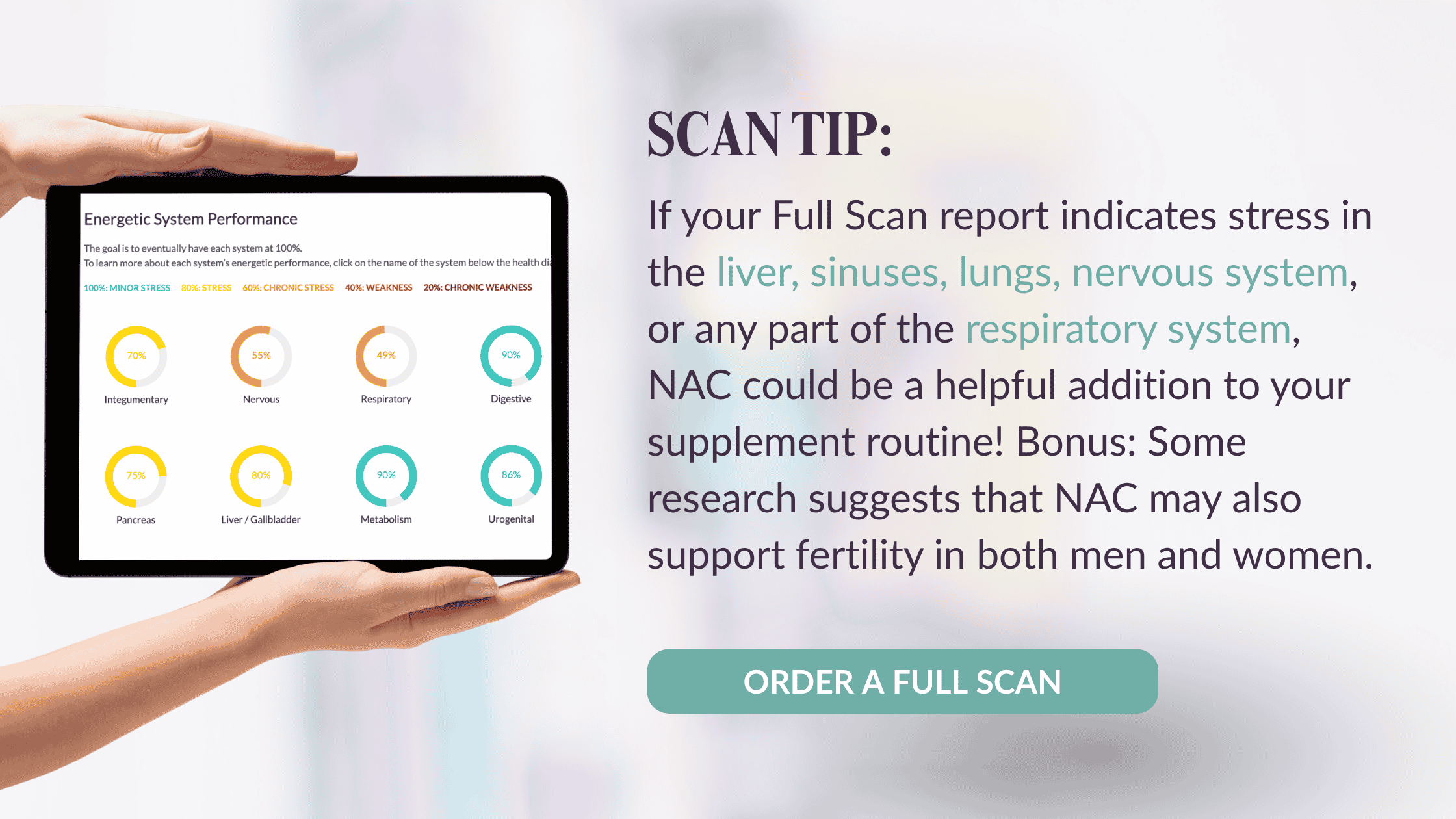
Testing, not guessing, is the foundation of effective supplementation. At CBH Energetics, we always recommend bioenergetic testing to determine if NAC is right for you, at what dose, and at what point in your healing journey.
NAC benefits are extensive—from supporting liver detoxification and respiratory function to enhancing brain health and immune resilience. But the key is knowing when your body is ready for it.
While cysteine-rich foods contribute to overall health, NAC supplementation presents a more potent therapeutic option for specific health concerns—when it’s the right time and the right dose for your individual system.
Our approach at CBH Energetics: We don’t prescribe protocols. We test to see what your body is actually asking for, when it’s asking for it, and how much it needs.
If you are curious about your needs for NAC, take one of our bioenergetic tests.
 About the Author: Samantha Stupak
References:
DISCLAIMER: Balanced Health, LLC/CBH Energetics and any parent, subsidiary, affiliated, or related entities and companies do not provide medical advice or services. This post and the bioenergetic products and services offered by Balanced Health, LLC/CBH Energetics including, but not limited to, bioenergetic tests, bioenergetic scans, bioenergetic reports and related products and services (collectively the “Bioenergetic Products and Services”) are designed for educational and informational purposes only and are not intended to diagnose, treat, cure, or prevent any disease, condition, complaint, illness or medical condition and are not a substitute for professional services or medical advice. Testing is not used for the purpose of obtaining information for the diagnosis, prevention, or treatment of disease or the assessment of a health condition or for identification purposes.
