The benefits of taking medicinal mushroom supplements for all body systems are huge!
The benefits of medicinal mushrooms are documented by the ancient Greeks and Romans. It seems we have a wealth of herbal remedies that have undergone thousands of years of observational and scientific study. We LOVE that. As a company specializing in energy work, Traditional Chinese Medicine, wildcrafted remedies, and supporting Holistic Health Practitioners, we feel strongly aligned with creating balanced health through plant-based products.
Mushrooms are an integral part of Chinese culture and are often referred to as the “elixir of life.” The beautiful thing about mushrooms is that they serve as both a functional food and a medicinal ally in overall health.
In today’s blog post, we will clarify:
- What medicinal mushrooms and supplements are.
- Different types of medicinal mushrooms.
- Nutrition in culinary mushrooms.
- The top 7 health benefits of medicinal mushrooms
- Potential side effects of medicinal mushroom supplements.
What are medicinal mushroom supplements?
According to the National Cancer Institute, the definition of a medicinal mushroom supplement is: “Medicinal mushrooms are mushrooms that are used as medicine.”
“For more than 30 years, medicinal mushrooms have been approved as an addition to standard cancer treatments in Japan and China. In these countries, mushrooms have been used safely for a long time, either alone or combined with radiation or chemotherapy.”
They’re used in Traditional Chinese Medicine to promote health and well-being. They have also been used for their nutritional properties. As a functional food, the benefits of mushrooms offer more than nutrition; they also have key health benefits. Keep reading to learn the nutritional value of culinary mushrooms.
Medicinal mushroom supplements can come in tinctures, capsules, or even as teas. These are the three primary ways to take herbal and nutritional supplements. Herbal teas are a great way to introduce herbs and even medicinal mushroom supplements into your wellness routine!
Did your Balancing Remedies show a medicinal mushroom supplement or tincture? Read How to Take Your CBH Homeopathic Remedies and Herbal Remedies to make sure you’re taking them correctly.

Different types of medicinal mushrooms.
What are the most popular medicinal mushrooms? Maybe you have heard of some of their names:
- Reishi (Ganoderma Lucidum)
- Shiitake (Lentinus edodes)
- Maitake (Grifola frondosa,)
- Turkey tail (Coriolus versicolor)
- Lion’s mane (Hericium erinaceus)
- Cordyceps (varying species)
They have been utilized in various practices and philosophies for a range of health conditions. Not interested in a mushroom supplement? There are many brands of mushroom-based coffees on the market. These products can be found in health food stores and online.
And yes, CBH Energetics carries a variety of mushroom products to support your Immune System, your Liver, your blood sugar, and many other systems.
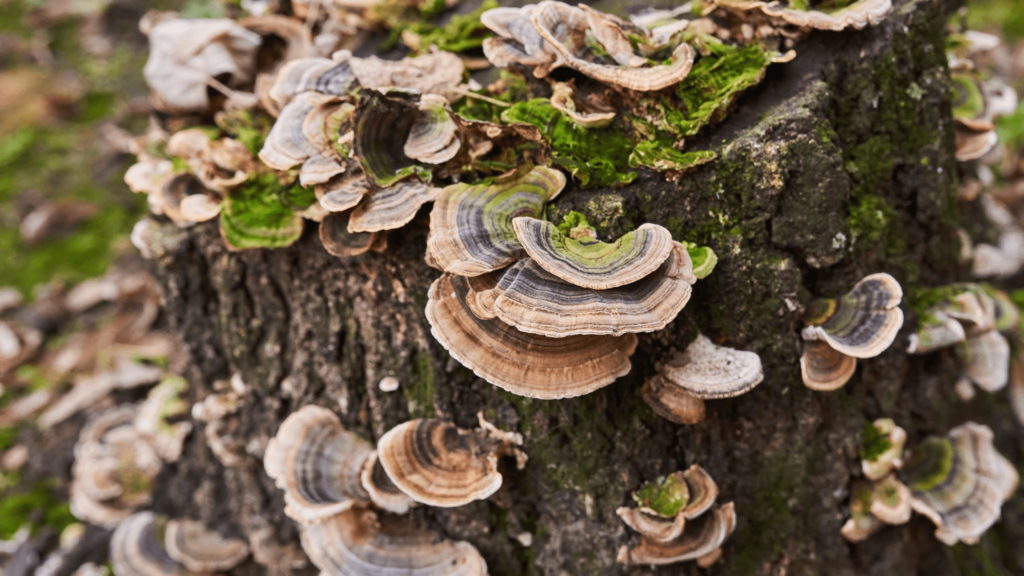
What About Eating Them? The Nutrients in a Culinary Mushroom.
Not everyone loves mushrooms, raw or cooked. They have a distinct earthy taste and a texture that some people dislike. Mushrooms are called plant-like and don’t have chlorophyll pigments. This means they don’t use sunlight for energy.
They are fungi and belong to the family of yeast and mold. When you are eating a stem and a cap, you are eating the fruiting body of a mushroom. This is the reproductive part of the mushroom. Spores come off here and find a new home to make more mushrooms. I don’t want to get into the life cycle of a mushroom, but some of you may have heard of mycelium, which is also sold as a supplement.
There are many recognizable types of mushrooms, from the button mushroom to the cremini, the oyster, and beyond. Many home cooks keep dried mushrooms on their shelves to up the flavor of their kitchen creations.
The button mushroom is an economical and versatile edible fungus, and paired with lentils, ground tomatoes, herbs, and spices, makes a great plant-based pasta sauce.
Some sources say that white button mushrooms have less nutrition than the exotic type, which fall into the medicinal or adaptogenic category we’re talking about here. We believe there are several notable nutritional benefits to consuming a variety of mushrooms.
Nutritional merits of eating mushrooms:
-
Low in sodium
-
A source of protein
-
Rich in minerals like phosphorus and iron
-
Provide B vitamins such as riboflavin, thiamine, and niacin
-
High in fiber, which supports digestion
-
Offer selenium and potassium, and contain a bit of vitamin D
If grown indoors without sun, mushrooms contain only a bit of Vitamin D, but if grown outside, they have more! If you slice your button mushrooms and expose them to sunlight for 15 minutes, you can increase the Vitamin D.
Eating maitake mushrooms achieves the same goal without the need for sun exposure.
The Top 7 Health Benefits of Medicinal Mushrooms
There are many claims to medicinal mushrooms, including:
- Liver supportive/protection.
- Immune modulation.
- Cholesterol Benefits
- Blood Sugar Control.
- Anti-oxidant
- Anti-parasitic
- Brain Health
As you can see, medicinal mushrooms are known for their potential benefits to overall health, including anti-inflammatory, antioxidant, and anti-aging properties. They help to support the Immune System and protect against free radical damage. Studies have shown that some mushrooms can help reduce the growth of cancer cells and slow the spread of cancer. According to the National Cancer Institute, they can also help to reduce the side effects of chemotherapy and radiation.
Let’s dive into a brief overview of the top 7 health benefits of taking medicinal mushrooms.
1. Liver protection
Your liver is very complex. This major detoxification organ operates continuously to eliminate metabolic waste generated within the body, as well as other environmental toxins. It works in conjunction with the spleen to remove the remnants of red blood cells and recycle their components, if necessary. The liver plays a significant role in detoxifying the body from medications, alcohol, and toxins, and also helps regulate blood sugar levels.
We describe the liver as becoming stagnant, a term originating from Traditional Chinese Medicine. Allopathic conditions that arise from the liver include chronic hepatitis, fibrosis, non alcoholic fatty liver, and cirrhosis.
Ganoderma lucidum, or the reishi mushroom, is a highly studied medicinal mushroom. There have been 400 chemical substances isolated from the reishi mushroom, “mainly polysaccharides, triterpenoids, nucleosides, ergosterols, fatty acids, proteins/peptides, and trace elements”. The triterpenoids and certain polysaccharides have a protective effect on toxicity in the liver. This may be due to its ability to act as an antioxidant, protect against free radicals, and support both phases of liver detoxification. This mushroom may also have antiviral activity and modulate nitric oxide production.
2. Immune Modulation
There is much research on the immune benefits of medicinal mushrooms, and much of it relates to cancer. We do not promote supplement use for conditions like cancer, but do offer the education and information for you to do your own research.
Medicinal mushrooms have properties that affect cells of the immune system, including hematopoietic stem cells, which are found in many organs, and are a primitive type of cell, that can change into many different types of blood cells. You would find these in peripheral blood and bone marrow.
Mushrooms work on cytokines. Cytokines play a role in the immune system to help your body respond to an immune threat.
Beta-glucans are polysaccharides that are in the cell walls of the mushrooms. Beta-glucans are also in some grains and algae. The structure of the beta-glucans in a mushroom is different. This compound in medicinal mushrooms has an influence on the immune system. In Japan, Korea, and China, several fungal beta-glucans have been approved as adjuvant cancer therapies, including a drug based on maitake beta-glucan 7, 14.
Beta-glucans are considered prebiotic and are linked to support for cardiovascular health, blood sugar control, and cholesterol control. Mushrooms as food may support the cardiovascular system through their high fiber content and lower fat.
3. Cholesterol Benefits
Eating culinary mushrooms, like the oyster mushroom, can help lower blood cholesterol due to the dietary fiber in this superfood. But what about medicinal mushrooms?
According to UCLA Health, taking shitake mushrooms may lower cholesterol. There are compounds in the mushroom “that inhibit the production of cholesterol, block cholesterol from being absorbed, and lower the overall amount of cholesterol in your blood.”
One compound is eritadenine, which is in the shitake mushroom, and shows promise in lowering blood cholesterol levels by making your own body use it more effectively in tissues. In rat studies, this compound shows cholesterol-lowering benefits through liver activity.
4. Blood Sugar Control
Could the use of medicinal mushrooms lead to better blood sugar control? Research is looking at the potential for these foods and supplements to support pre-existing conditions like type 2 diabetes. Uncontrolled blood sugar has detrimental long-term effects on the cardiovascular system and other organ systems like the kidneys and peripheral nerves (the nervous system).
There are many types of mushrooms that show promise in supporting balanced blood sugar levels, including Agaricus suillus brumalis, Agaricus bisporus, Cordyceps sinensis, and Ganoderma lucidum (Reishi).
5. Antioxidant
Antioxidants get tons of press in the toxic environment we live in. They combat free radicals, which are produced from outside sources or even within our own cellular metabolism. When we get overloaded with free radicals, we call that oxidative stress. Liver detoxification requires lots of antioxidants to combat this process.
Free radicals are said to damage DNA. Medicinal mushrooms have antioxidant activity in the body, specifically from parts called the fruiting bodies and mycelium. They contain “phenolics, polysaccharides, tocopherols, flavonoids, carotenoids, glycosides, ergothioneine, and ascorbic acid (6).
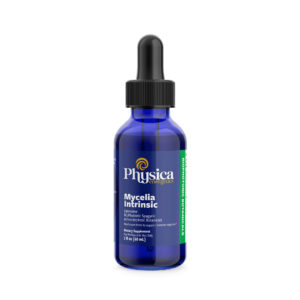
Your edible mushrooms can supply this much-needed “nutrient” in your day-to-day needs. If you don’t like the taste of mushrooms, a tincture like Mycelia Intrinsic can support all of these benefits with ease!
 6. Anti-parasitic
 6. Anti-parasitic
The Reishi mushroom is a well-studied species for many of the top benefits, and in general, mushrooms have a positive effect on the gut microbiota. There are also compounds called Ganoderma Triterpenes that are considered “the most common antimicrobial and anti-parasitic compounds reported from Ganoderma sp.” (7) Another compound, farnesyl quinone, is also in the reishi mushroom, and is noted in the same cited article as possessing antimicrobial and anti-parasitic properties.
It could be the beta-glucans in the mushroom that increase host defense against microbes and parasites, the mushroom as a whole increases good microbes to crowd out the bad, or the compounds in the mushroom species themselves that have an all-around anti-parasitic effect on the body.
Medicinal mushrooms and medicinal mushroom supplements are also said to have antibacterial and anti-fungal activity.
7. Brain Health
With all of these properties, antioxidant activity, supporting balanced blood sugar, decreasing inflammation, medicinal mushrooms, and medicinal mushroom supplements must have a positive effect on the health of our brains and Nervous Systems!
They are thought to improve cognitive functions, reduce stress and anxiety, and protect against age-related cognitive decline. Lion’s mane may be beneficial for this, along with maitake.
“Neurohealth is the concern for the predicted silver tsunami to hit humans – the aging tsunami is projected to be 80-90 million of 65 –plus population in 2050″ – Neuronal Health – Can Culinary and Medicinal Mushrooms Help?
Medicinal mushrooms are believed to help reduce wrinkles and skin damage, improve skin elasticity, and protect against age-related diseases. This may be due to the ability to protect from damage. Some of the medicinal mushrooms described here are adaptogens, which are plants and mushrooms that support the body’s response to stress.
Who doesn’t want that?
Potential side effects of medicinal mushroom supplements.
Are there side effects to taking mushrooms or eating them? Everyone is unique, as bioenergetic testing reveals, and there can be some issues associated with taking mushrooms or even consuming culinary mushrooms. Upset of the Digestive System is one issue that can arise if you are not used to eating mushrooms. Certain species of mushrooms can increase bleeding, and if you are on specific medications, you should check with your prescribing care practitioner for any interactions.
In the quest for creating balanced health, we always advocate for double-checking the safety of any supplement while pregnant or breastfeeding. Some people experience dry mouth from the powdered form of mushroom supplements.
Our mushroom supplements are wildcrafted remedies and practitioner-grade. We strive to make sure they are free of toxins and pesticides!

DISCLAIMER: These services are designed for educational purposes only and are not intended to serve as medical advice. The information provided on this site and in reports should not be used for diagnosing or treating any health problem or disease. It is not a substitute for professional care. If you have or suspect you may have a health problem or need medical attention, you should consult your healthcare provider.
