Why You Could Be Craving Carbs (And Why It’s Not About Willpower)
Craving carbs can feel like it hits out of nowhere—one minute you’re fine, and the next you’re scanning your kitchen for something sweet, or starchy. Polish off the rest of that loaf of bread? No problem!
Many people notice these cravings when digestion feels off or when energy drops quickly after eating, which is why the connection between sugar and Candida often comes up. Research and clinical observation show that sugar, gut microbes, and yeast activity can all influence how the body signals hunger and satisfaction. 1 2
Sugar isn’t just fast fuel; it also interacts with the gut environment where yeast naturally lives. This study on sweeteners, Candida, and biofilm shows that Candida species use simple sugars like glucose and sucrose to support growth, adhesion, and biofilm formation, especially when the microbiome is under stress.
At the same time, sugar-rich meals can cause rapid spikes and dips in blood glucose, which activate brain regions involved in reward and craving. When these patterns overlap, cravings can feel stronger and harder to navigate.
What many describe as “sugar cravings” is really a conversation among the gut, the brain, and the systems that regulate energy, digestion, neurotransmitters, and appetite.
What Candida Actually Is (And Why It Belongs in a Healthy Gut)
Before exploring why you might be craving carbs, it helps to understand Candida itself. Candida is a natural part of the microbiome. It lives in the digestive tract, mouth, vaginal tract, and on the skin, usually without causing issues.
In a balanced gut, bacteria, digestive enzymes, the gut lining, and immune signaling all help regulate the activity of Candida.
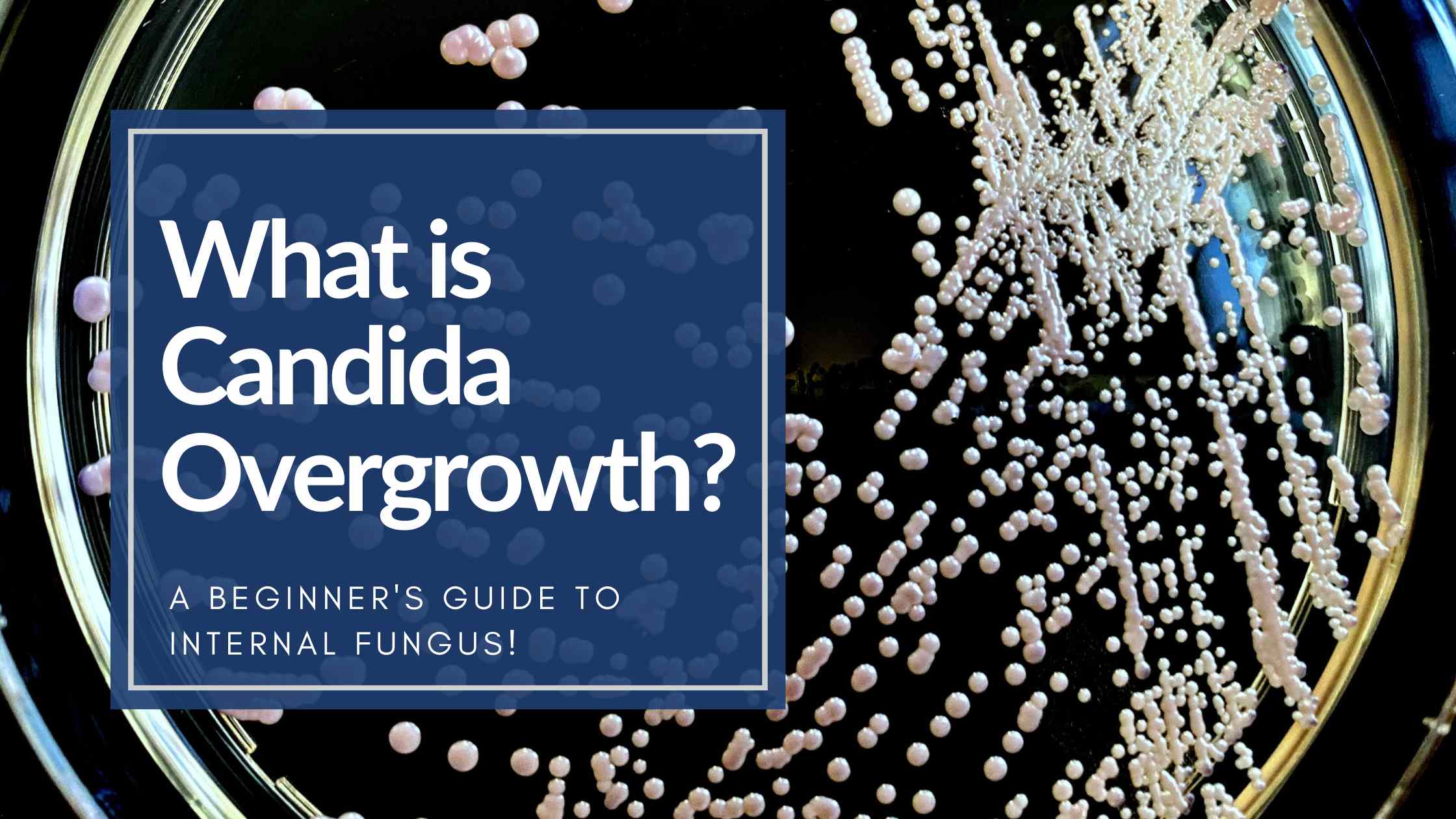
Learn more about Candida in our What is Candida Overgrowth? A Beginner’s Guide to Internal Fungus!
Candida becomes more noticeable when the internal environment shifts. This can happen when:
- digestion slows down
- stomach acid is low
- the microbiome changes from stress, medication, or inconsistent eating
- blood sugar swings happen often
- the gut lining becomes irritated
- overall nutrient intake drops
In these situations, Candida isn’t suddenly harmful, but it may become more active or noticeable, especially alongside a higher-sugar diet. People may also notice patterns like bloating after meals, shifts in bowel habits, changes in skin clarity, or even more frequent yeast-related symptoms such as vaginal yeast infections or oral thrush. This is where cravings, digestion, and the sugar and Candida connection start to overlap.
Get tips on how to have healthy gut habits in this blog post!

Does Candida Cause Sugar Cravings?
This is one of the first questions people ask: “Does Candida cause sugar cravings?” The answer is layered. Candida doesn’t directly make you crave sugar, but the conditions that allow Candida to become more active can affect how strongly cravings show up.
Here’s what that means:
- Digestive comfort affects food choices
When the gut feels unsettled, heavier meals lose their appeal. Quick carbs feel easier, faster, and more predictable.
- Microbial balance influences appetite and satisfaction
Gut microbes, including yeast, play a role in how the body signals hunger and reward. When the microbiome changes, those signals can feel louder or less steady, making cravings more noticeable.
- Low or inconsistent energy can push the body toward fast carbs
If digestion or absorption feels off, the body may ask for foods that are easy to convert into quick fuel. This isn’t Candida asking for sugar; it’s your body trying to stabilize energy.
- Blood sugar rhythms play a big role
If meals are irregular or low in protein, your blood sugar may swing more often. These swings overlap with the same patterns that make cravings feel urgent.
Why Sugar and Craving Carbs Feel So Comforting
Sugar and carbs often feel comforting for reasons that go beyond pure energy. The experience of eating something sweet or starchy has a sensory component: the taste, the quick satisfaction, and the familiar routine all contribute to why certain foods feel soothing when your day feels off balance.
The gut and brain talk constantly, and that communication shapes cravings. When digestion is unsettled or when your routine feels unpredictable—rushed mornings, skipped meals, late nights—the Nervous System becomes a little more sensitive. In those moments, the body gravitates toward foods that bring a predictable form of comfort, and sugar tends to fall into that category.
This loop isn’t just about taste. It reflects how grounded or ungrounded your internal environment feels. When your day has pulled you in a dozen directions, craving carbs is often your body’s way of trying to bring things back to neutral.
Managing Cravings Without Restriction
Here are gentle approaches that support managing cravings:
- Create a predictable eating rhythm
Your body relaxes when it knows nourishment is coming.
- Add structure to meals without overthinking it
Protein, colorful plants, and a starchy component if you want it — that alone helps meals feel grounding.
- Notice the situations that make cravings louder
Craving carbs often shows up during transitions: mid-afternoon lulls, late evenings, or after long stretches of focus without taking a break.
- Eat enough
Undereating, especially early in the day, makes cravings louder at night.
- Make space for emotional hunger without judgment
Sometimes cravings come from a place of comfort-seeking rather than hunger. Naming it can reduce urgency. You’re simply responding to how your day felt.
This approach to managing cravings is less about swapping foods and more about supporting the rhythms that make cravings feel less controlling and more understandable.

Foods to Fight Candida and Support a More Comfortable Gut
Here are ways to build meals and add foods to fight Candida that support a balanced terrain:
- Choose carbohydrates that feel steady rather than fast
Whole-food carbs—like berries, quinoa, beans, sweet potatoes, or whole fruit—break down gradually. This provides fuel without the quick rise and fall that often overlaps with sugar and Candida conversations.
- Make vegetables the foundation
Non-starchy vegetables add fiber and variety, giving beneficial microbes what they need to stay robust. A diverse microbiome naturally helps keep yeast in balance.
- Use herbs and spices with supportive properties
Garlic, thyme, oregano, rosemary, and ginger have long histories of being used for microbial balance.
- Add healthy fats for satisfaction
Olive oil, avocados, nuts, seeds, and coconut can help meals feel complete and grounded. When meals feel satisfying, cravings tend to stabilize.
What About Supplements to Help Manage Cravings and Candida?
Here are gentle options often used to support both managing cravings and maintaining a more balanced internal environment:
Often used for its role in supporting healthy glucose metabolism. When blood sugar feels steadier, craving carbs may feel less urgent.
Important for energy production and nervous system support. Many people find that steadier energy reduces late-day cravings for something sweet or starchy.
- Berberine
A plant compound frequently used to support balanced blood sugar rhythms. Research also shows berberine has broad antimicrobial activity in laboratory settings, including effects on yeast.
- Caprylic Acid
A fatty acid found in coconut oil that is often included in digestive-support formulas. It’s commonly used to help maintain a gut environment that doesn’t overly favor yeast.
Used traditionally for microbial-balance support. Some people include it short-term when working on terrain patterns, reducing biofilm, and connecting it to sugar and candida.
- Bitter Herb Blends (gentian, dandelion, artichoke)
Bitters gently support digestion before meals. When meals are digested more efficiently, cravings driven by unsettled digestion tend to soften.
- Probiotics
Different strains have different roles, but generally, probiotics support microbial diversity. A more diverse microbiome naturally keeps candida in balance and may help cravings feel more stable.
Where Bioenergetic Testing Fits In
Cravings can feel confusing, but they often reflect a mix of your routines, digestion, energy needs, and overall gut environment. When you’re craving carbs, it doesn’t automatically mean something is wrong. It simply means your body is asking for steadiness, support, or nourishment in a way that makes sense to it.
The sugar and candida connection is one part of that story—not the whole picture. By supporting your rhythms, choosing foods that help your gut feel grounded, and paying attention to what patterns show up for you, cravings become much easier to understand and manage.
Small shifts often make the biggest difference.
If you’re unsure where to start, bioenergetic testing can help clarify which systems are asking for support. Instead of guessing whether cravings are connected to digestion, microbial balance, nutrient pathways, or stress patterns, the scan shows where the body may be holding the most stress.
From there, the balancing regimen may include herbs, homeopathics, or supplements — sometimes the same ones commonly discussed in candida conversations, and sometimes completely different supports that better match your personal patterns. It’s a guided way to work with your body’s priorities rather than a generic list.