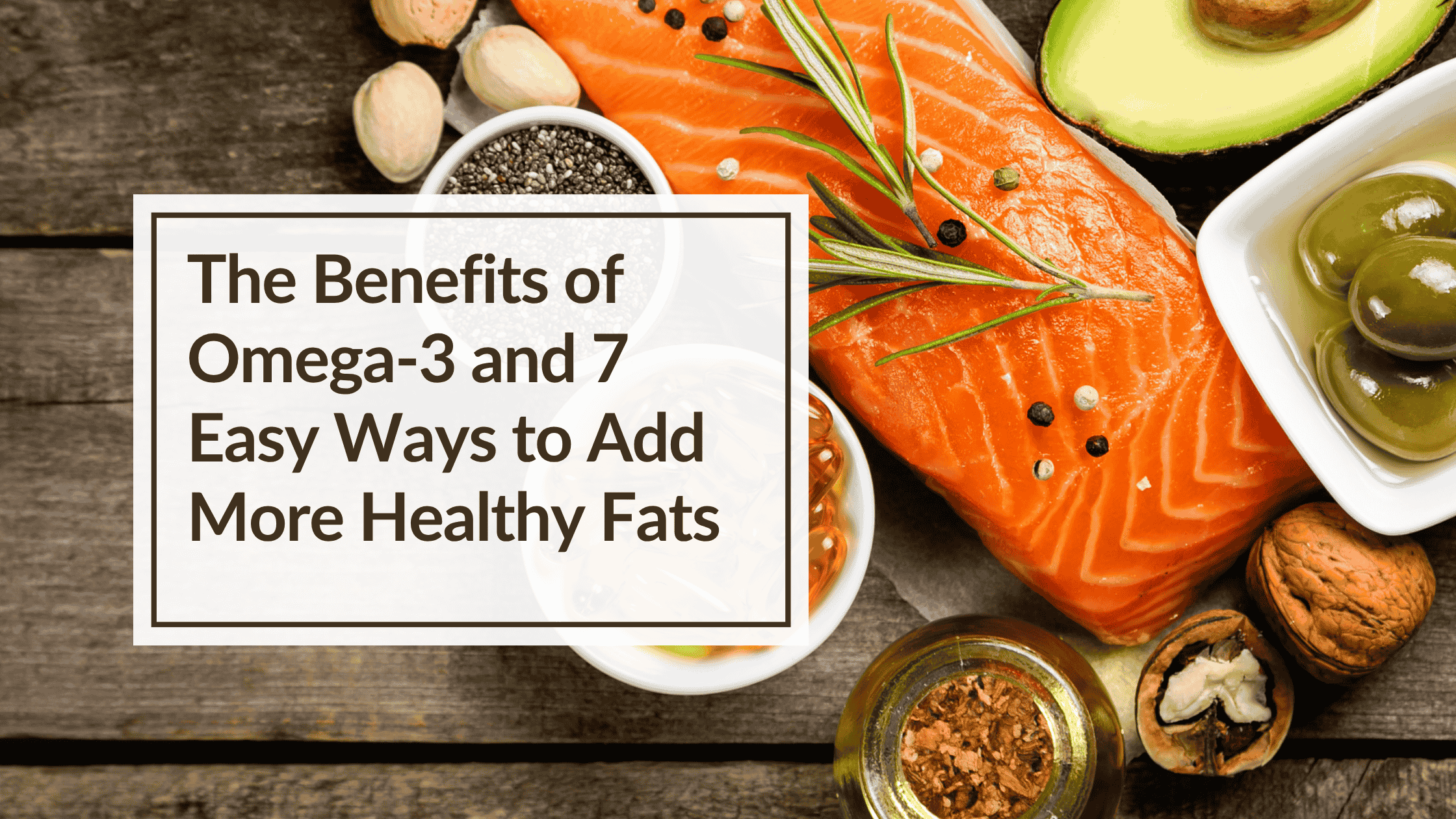
Here’s What You Need to Know About the Benefits of Omega-3
Everywhere you look, it’s omega this and omega that! We’re advised to take supplements and load up on foods rich in omega‑3 fats. But what are they really doing for your body? Just what are the benefits of omega-3, and where do you even start?
Here’s what’s worth knowing: Your brain is about 60% fat, and it depends on healthy fats to stay sharp. From focus to mood to hormone balance, omega‑3 fats support way more than you might think—and we’ll cover all of that in this blog.
And don’t worry, you don’t need to eat piles of salmon or chug fish oil. You can also get these healthy fats from a variety of everyday foods, and adding them to your meals is simpler than you might think. Keep reading for 7 easy ways to include them in your diet!
Omega Overview: Making Sense of Fats
Understanding fat can be confusing. Essential fatty acids (EFAs) are exactly what they sound like—essential. Your body needs them to function, but can’t make them on its own. That means they have to come from food. The two main types? Omega‑3 and omega‑6 fats.
Research suggests a minimum 2:1 ratio of omega-3 to omega-6 fats, although this ratio varies based on our overall health levels. The issue? A typical North American diet leans heavily toward omega-6s—from processed snacks and seed oils—which can disrupt that balance. Too many omega‑6s and too few omega‑3s have been linked to chronic inflammation and long-term health issues, such as heart disease.
That’s why there’s so much focus on boosting omega‑3 intake today.

The 3 Main Types of Omega‑3 Fats
- ALA (alpha-linolenic acid): Found in plant foods like flaxseeds, chia seeds, hemp, soy, and walnuts.
- EPA (eicosapentaenoic acid) and DHA (docosahexaenoic acid): Found in fatty fish like salmon, mackerel, rainbow trout, herring, sardines, anchovies, cod liver oil, oysters, fish roe (caviar), and tuna.
Your body can convert ALA into EPA and DHA—the forms most associated with brain and heart health—but the process is slow. Certain nutrients (like vitamins B3, B6, C, plus magnesium and zinc) can help improve this conversion.
That’s why many experts recommend including direct sources of EPA and DHA from fish or algae-based sources whenever possible.
Note: Seafood is one of the richest sources of EPA and DHA; however, the quality of the seafood is crucial. Opt for smaller, wild-caught fish, such as sardines or mackerel, to reduce exposure to mercury and other toxins.
The Essential Fatty Acids We Test For Bioenergetically:
- ALA: Alpha Linoleic Acid (Fatty Acid)
- EPA: (Fatty Acid)
- DHA: (Fatty Acid)
- CLA: (Omega 6 Fatty Acid)
- GLA: Gamma Linoleic Acid
What Are the Benefits of Omega-3?
The benefits of omega-3 that are most well-known include improved brain and heart health. But these healthy fats are doing far more behind the scenes—supporting everything from mood to vision. And they’re especially important for kids, whose brains and bodies are developing at lightning speed.
Supports Brain Development and Cognitive Function
DHA (docosahexaenoic acid), one of the key omega‑3 fats, is a major building block of the brain. It helps shape the neural connections that support focus, memory, and emotional balance. For children, obtaining sufficient DHA is associated with improved learning and attention. For adults, it helps keep those same pathways sharp and supports healthy aging.
Helps Your Heart Work Smarter
EPA and DHA help lower triglycerides, support healthy blood pressure, and may even reduce the risk of cardiovascular disease. They also help calm inflammation, which is a major contributor to heart problems.
Helps Protect Your Eyes
Your retina is rich in DHA, making omega‑3 intake essential for visual development in kids and eye health in adults. Some studies also suggest omega‑3 may help ease dry eye symptoms and reduce the risk of macular degeneration later in life.
Calms Inflammation
Omega‑3 fats act as raw materials for signaling molecules called resolvins and protectins, which help calm inflammation. This matters not just for joint comfort but for the overall balance of immune and inflammatory processes throughout the body.
Supports Mental and Emotional Balance
Research links low omega‑3 levels with mood challenges like anxiety and depression. While they’re not a standalone solution, EPA and DHA are often part of functional medicine approaches to emotional health because of their impact on neurotransmitters and cell membranes.
Nourishes Your Skin from Within
Healthy fats are essential for maintaining the integrity of cell membranes, including those in your skin. Omega-3 fats have been associated with more hydrated, resilient skin and may help alleviate inflammatory skin conditions, such as eczema.
Supports Hormone Production and Balance
Fats are the building blocks for many hormones in the body, and omega‑3s play a role in supporting healthy hormone signaling. They may also help mitigate the effects of excessive omega-6 fats in the diet, which can contribute to hormone-related inflammation.

Signs You May Be Low on Omega‑3 Fats
It’s not always obvious when your body isn’t getting enough omega‑3 fats, but some subtle clues may include:
- Dry, flaky skin or eczema
- Brittle hair and nails
On a bioenergetic scan, you might also see stress in the Integumentary System (skin, hair, nails) or nutrient imbalances like low zinc, vitamin A, or biotin—key players in fatty acid metabolism.
- Poor memory or trouble focusing
- Mood changes (irritability, low mood)
Deficiency here could also show up on a scan as stress in the Nervous System or neurotransmitter imbalances (serotonin, dopamine). Supporting nutrients like B vitamins and magnesium may also test stressed—they’re co-factors in omega‑3 utilization.
- Joint stiffness or swelling
On a scan, this could show up as stress in the Locomotor System or inflammatory markers. Deficiencies in antioxidants (vitamin E, selenium) may also be noted, as they work alongside omega‑3s to protect cells.

In children, omega‑3 deficiency can sometimes look like:
- Difficulty concentrating
- Hyperactivity
- Mood swings or emotional outbursts
Bioenergetic testing may reveal stress in the Nervous System, digestive challenges (affecting fat absorption), or nutrient imbalances, such as low choline or B6, which are essential for brain function and fatty acid conversion.

Now that you can see the many benefits of omega-3 fats and some potential imbalances, here are some easy ways to incorporate more into your day.
7 Easy Ways to Add More Healthy Fats to Your Day
- Stir Flaxseed or Chia Into Your Breakfast
Mix ground flaxseed or chia seeds into oatmeal, yogurt, or even pancake batter. Bonus: chia thickens smoothies and overnight oats for a creamy texture without dairy.
- Make a Walnut Pesto or Salad Topper
Blend walnuts with basil, olive oil, and garlic for a brain-healthy pesto. Or simply chop walnuts and toss them over salads, grain bowls, or roasted veggies for a satisfying crunch.
- Upgrade Your Smoothies With Hemp Hearts or Flaxseed Oil
Add a tablespoon of hemp hearts to your smoothie for a subtle, nutty flavor. Or drizzle in a little flaxseed oil (it blends in without altering the taste).
- Make a Simple Chia Pudding
Chia pudding is an easy make-ahead snack that’s packed with plant-based omega‑3 fats. Mix chia seeds with almond milk and a splash of vanilla, then top with berries or cacao nibs.
- Build a DIY Sushi Bowl With Salmon
Skip the takeout and make a sushi-inspired bowl at home. Start with rice or quinoa, then add salmon, avocado, cucumber, seaweed, and a drizzle of sesame oil for a quick omega-3-packed meal.
- Bake With Ground Flax or Walnuts
Sneak omega‑3s into your favorite baked goods by adding ground flaxseed or chopped walnuts. Muffins, banana bread, and energy bites are all fair game.
- Sprinkle Hemp Hearts on Popcorn
For a crunchy movie snack, toss popcorn with a drizzle of olive oil and a sprinkle of hemp hearts or ground flaxseed. Bonus: add a pinch of sea salt and nutritional yeast for cheesy flavor.
What About Omega‑3 Supplements?
For many people, getting enough omega‑3 fats from food alone isn’t always practical—especially when it comes to DHA and EPA. This is where supplements may help fill the gap.
Fish oil products are the most common options because they deliver EPA and DHA in the forms your body can use directly. Some great options are BioOmega 3 or Omega Gold.
Plant-based omega‑3 supplements (like algae oil) are a great alternative for vegetarians and vegans. Algae oil provides DHA and often EPA as well, without relying on fish sources. This can also sidestep concerns about mercury or other toxins found in some fish oils.
Another alternative is plant-based tinctures, such as Borage Intrinsic, which deliver a combination of essential fatty acids and other synergistic herbs to support inflammation, hormones, and more.
The benefits of omega‑3 reach across nearly every system in your body—from your skin to your cells to your kids’ growing brains. Whether you’re stirring chia into your oats, making walnut pesto, or adding salmon to a weeknight dinner, these healthy fats are one of the most powerful ways to support whole-body wellness.
And if you’re unsure whether you’re getting enough—or if your body is absorbing what you’re taking in—bioenergetic testing can provide personalized insight into where you might need support. Because when it comes to brain health, hormones, inflammation, and energy… omega‑3 fats are never a bad place to start.

DISCLAIMER: Balanced Health, LLC/CBH Energetics and any parent, subsidiary, affiliated, or related entities and companies do not provide medical advice or services. This post and the bioenergetic products and services offered by Balanced Health, LLC/CBH Energetics including, but not limited to, bioenergetic tests, bioenergetic scans, bioenergetic reports and related products and services (collectively the “Bioenergetic Products and Services”) are designed for educational and informational purposes only and are not intended to diagnose, treat, cure, or prevent any disease, condition, complaint, illness or medical condition and are not a substitute for professional services or medical advice. Testing is not used for the purpose of obtaining information for the diagnosis, prevention, or treatment of disease or the assessment of a health condition or for identification purposes.
