Castor oil isn’t just something your grandma knew about—it’s something wellness circles can’t stop rediscovering. From lymphatic flow to gentle detox rituals, castor oil is everywhere!
This thick, golden oil has a long history of traditional use, but today, people are revisiting the benefits of castor oil with fresh eyes and getting creative with how it fits into whole-body support. What used to be known mainly as a laxative or skin soother is now part of a much bigger conversation about internal balance, energy flow, and simple tools that actually work.
In this blog, we’ll share 12 powerful and practical ways to use castor oil, whether you’re a practitioner integrating it into client protocols or someone exploring how to support your own body with simple, powerful tools.
What is Castor Oil?
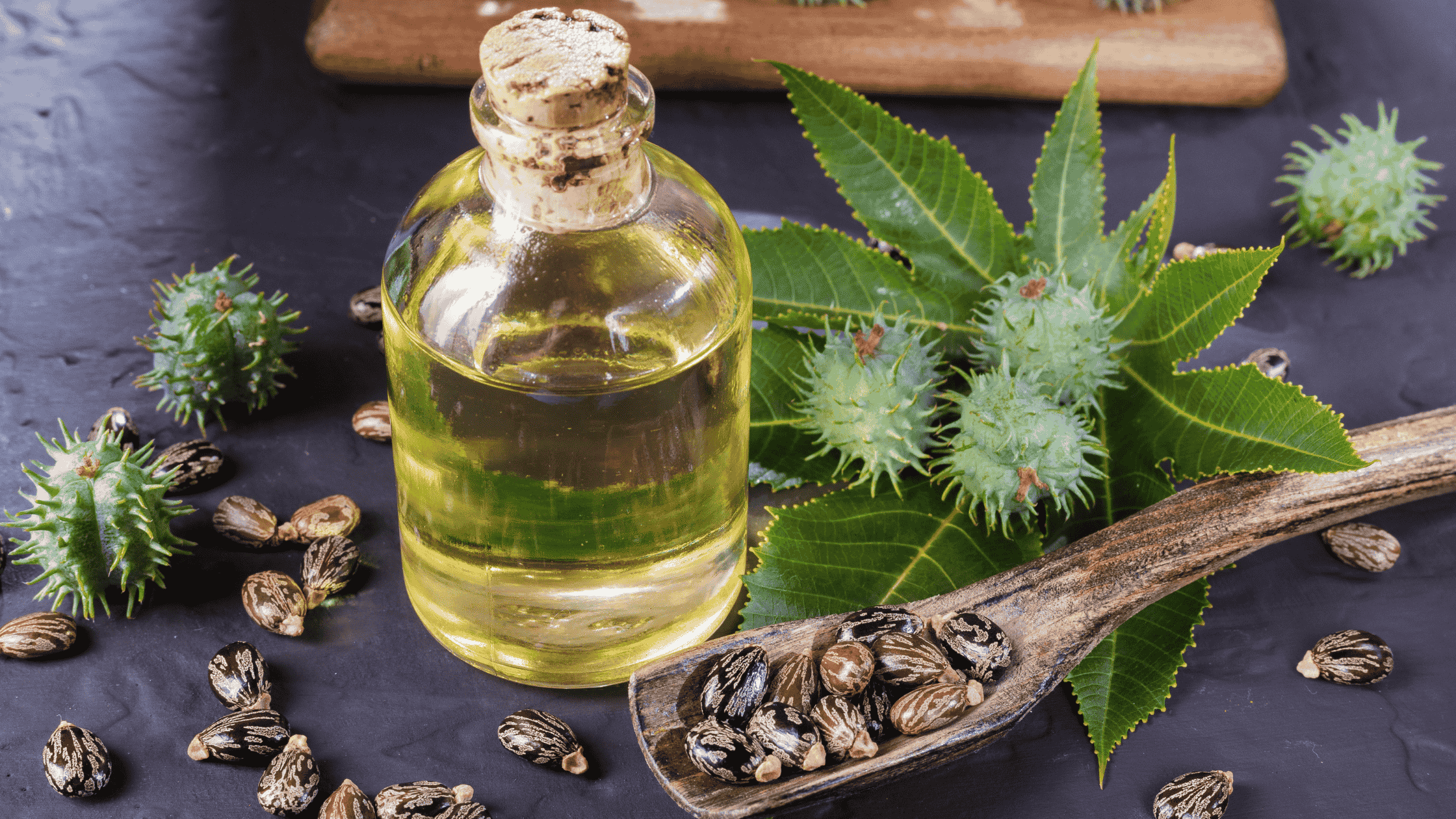
Castor oil, made from castor beans, is 90% ricinoleic acid. (1) This monounsaturated omega-9 fatty acid gives castor oil its distinct texture and therapeutic qualities.
Ricinoleic acid is anti-inflammatory, analgesic, and antimicrobial, helping reduce local inflammation, fight off certain pathogens, and support the skin and mucosal barriers.
What Are the Benefits of Castor Oil?
There are many reported benefits of castor oil. Castor oil has been utilized in various traditional medicine systems for centuries. While scientific research on some of its purported benefits is limited, certain properties of castor oil have been studied, and anecdotal evidence supports its use in several areas:
Castor oil is often used to support lymphatic circulation and gentle detoxification. The Lymphatic System helps regulate immune function, remove waste, and keep fluids moving throughout the body, but it can become sluggish, especially with chronic stress or inactivity.
One of the earliest and most well-known advocates for using castor oil this way was Edgar Cayce, a 20th-century medical intuitive. He popularized the use of castor oil packs over specific areas of the body to “stimulate the eliminations,” enhance circulation, and improve overall vitality. His protocols, particularly when used with heat, are still widely referenced in integrative practices today.
In traditional and holistic medicine, the liver is central to detoxification, hormone regulation, and digestion. Castor oil packs applied over the liver area (upper right abdomen) are reported to support bile flow, relieve congestion, and enhance the liver’s natural drainage capacity. Many people use this practice to support mood, sleep, and menstrual health.
Castor oil has a long history of use for digestive complaints, dating back to ancient Egypt and India, where it was valued as a natural remedy for constipation and abdominal discomfort. When taken internally, it acts as a stimulant laxative due to its ricinoleic acid content, which interacts with intestinal receptors to increase motility and promote bowel movements. (2)
Internal use is less common today, but topical applications remain popular in holistic health. Castor oil packs applied over the abdomen are thought to support peristalsis, relieve bloating, and improve digestive flow, without the harsh effects of ingesting it.
Historically, castor oil was used in folk medicine to ease joint pain or osteoarthritis, menstrual cramps, and swollen tissues, often paired with heat to amplify its warming, penetrating effects. (2) (3) Its thick consistency and high triglyceride content help retain warmth and moisture on the skin, which may further promote microcirculation in stagnant or congested areas.
Practitioners today often recommend castor oil packs or massages over joints, the lower back, or sore muscles to encourage blood flow and tissue repair—some also layer castor oil with warming botanicals (like ginger or cayenne) for added circulatory benefit.
Due to its high triglyceride content and humectant properties, castor oil can help moisturize and protect the skin. It may benefit issues like eczema or dry skin, and its antimicrobial properties could assist in minor wound healing.
There are no studies to date, but when applied to the scalp, eyelashes, or brows, castor oil has been reported to improve hair follicle health, reduce breakage, and support growth over time. Its nourishing fats protect against dryness and help reduce inflammation around follicles, an often-overlooked factor in hair loss or thinning.
Traditional beauty practices in Jamaica, India, and Egypt have long used castor oil to nourish the scalp, strengthen hair, and encourage thick, healthy growth. In Jamaica, in particular, black castor oil (roasted before pressing) is widely used for hair restoration rituals and scalp massages.
Castor oil’s grounding and warming nature may subtly support Nervous System balance, especially when applied to areas where the vagus nerve runs close to the surface, like the neck, upper chest, or abdomen. These “vagus nerve zones” are associated with parasympathetic activity, and many people report feeling calmer and more regulated after castor oil applications in these areas.
12 Ways to Use Castor Oil: Complete Guide
Not sure how to use castor oil in your day-to-day routine? These ideas will help you easily incorporate them into your wellness habits.
1. Castor Oil Feet For Detox
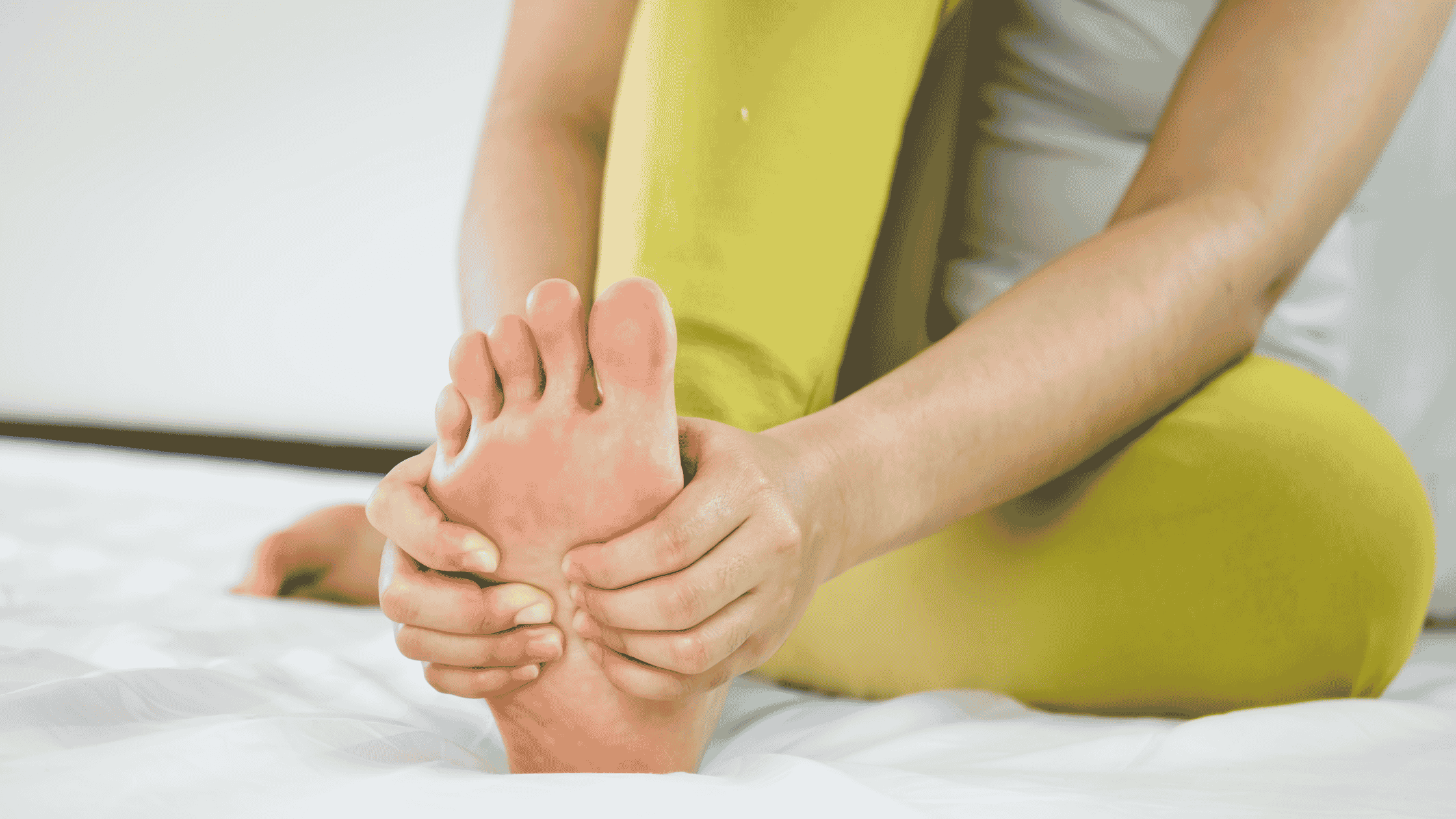
A bedtime reflexology ritual that uses foot massage points to support detoxification and nervous system relaxation. The soles contain powerful reflexology points that correspond to organs throughout the body. The thick skin on the feet absorbs the ricinoleic acid deeply, and overnight application allows extended contact time for maximum benefit.
How to do it:
1. Warm 1-2 tablespoons of castor oil between your palms
2. Massage thoroughly into soles, heels, arches, and between toes
3. Focus on reflexology points (ball of foot = lungs, heel = lower back)
4. Put on old cotton socks (castor oil stains – avoid synthetic fabrics)
5. Leave on overnight or for a minimum of 4-6 hours
6. Wash feet with warm water and soap in the morning
Tips:
- Add 2 drops of lavender essential oil for enhanced relaxation
- Do 3-5 nights per week for consistent results
- Keep an old towel near the bed in case you need to adjust socks
2. Castor Oil Packs on the Abdomen and Pelvis
This is one of the most widely practiced ways to use castor oil today. This method is often used to support organ flow (like the liver or intestines) and has become a ritual for many during detox phases or cycle syncing.
How to do it:
- Fold a wool or cotton flannel cloth into 3-4 layers (approximately 12″ x 12″)
- Saturate the flannel with castor oil until thoroughly wet but not dripping
- Lie down and place the pack over your abdomen, specifically over the liver area (right upper quadrant), lower abdomen, or pelvic region
- Cover with plastic wrap or a garbage bag to prevent oil staining
- Place a heating pad or hot water bottle on top (medium-low heat)
- Relax for 45-60 minutes
- Remove pack and cleanse skin with baking soda solution (2 tsp baking soda in 1 quart warm water)

3. Overnight Castor Oil Pack (No Heat)
Don’t have time to sit with a heated pack? Try applying a thin layer of castor oil directly to your abdomen before bed, then wear an old t-shirt or wrap to protect your sheets. This passive method still allows for gentle topical absorption while you sleep. While heat enhances absorption, this method still offers gentle support, especially when done consistently.
4. Castor Oil on the Neck for Lymphatic Flow
A gentle massage technique targeting cervical lymph nodes to support immune function, reduce fluid retention, and relieve neck tension.
How to do it:
- Warm 1-2 teaspoons of castor oil between your palms
- Under the jawline: Using gentle pressure, massage oil from the chin along the jawline toward the ears using small circular motions
- Behind the ears: Apply oil to the mastoid area (bony prominence behind the ears) and gently massage in small circles for 30 seconds
- Down the sides of the neck: Place fingers at the base of the skull and stroke downward along the sides of the neck toward the collarbones, following the path of the sternocleidomastoid muscle
- Toward the collarbones: Finish by sweeping from the base of the neck down to the collarbones and slightly outward toward the shoulders – this follows natural lymphatic drainage pathways.
- Repeat the downward strokes 5-10 times on each side
- Leave oil on for 10-30 minutes or overnight
- Optional: Apply a warm compress for 5-10 minutes to enhance absorption
Massage Direction Rule: Always massage downward and outward toward the collarbones. The lymphatic system relies on directional flow, and massaging upward can work against natural drainage patterns.

5. Scalp Massage Treatment
A deep conditioning treatment that nourishes hair follicles, addresses dry scalp, and may support hair growth through enhanced circulation. Mix with lighter oils (like jojoba or coconut) to help spread it more easily.
How to do it:
- Section dry or slightly damp hair into 4-6 parts
- Warm 2-4 tablespoons of castor oil (depending on hair length) in hands or in a small bowl in warm water
- Apply oil directly to the scalp using fingertips or an applicator bottle
- Massage thoroughly into the scalp using circular motions for 5-10 minutes, focusing on:
- Hairline and temples
- Crown of the head
- Areas with thinning or dry patches
- Work remaining oil through the lengths of hair if desired (for conditioning)
- Cover hair with a shower cap or wrap in a warm towel
6. Brow and Lash Conditioning
Apply a tiny amount to brows or lashes at night using a clean mascara wand or cotton swab. Avoid getting into the eyes. A very small amount goes a long way. While the evidence is anecdotal, this has long been a beauty ritual to help keep these delicate hairs hydrated and less prone to breakage.
7. Warm Compress on Sore Joints or Muscles
Apply castor oil to a tight or sore area, cover with a thin cloth, and apply a warm compress for 20–30 minutes. Especially useful post-workout, after long travel, or during seasonal flare-ups of joint discomfort. A 2015 study showed ricinoleic acid gel “significantly more effective in reducing pain and edema” compared to standard formulations, and “markedly inhibited the synthesis of prostaglandin E2. (4)
How to do it:
- Warm 1-2 tablespoons of castor oil in your hands
- Massage oil thoroughly into the affected joint or muscle area using firm, circular motions for 2-3 minutes
- Soak a small flannel cloth in hot (not scalding) water and wring out excess
- Place the warm, damp cloth over the oiled area
- Cover with plastic wrap to retain heat and moisture
- Place a heating pad on top, set to medium heat
- Relax for 20-30 minutes
- Can be repeated 2-3 times daily for acute pain
8. Belly Button Oil Ritual (Pechoti Method-Inspired)
Place a few drops of castor oil in your navel before bed. This Ayurvedic-inspired practice is said to affect the nervous system and the flow of inner organs.
9. Layer Under Gentle Compression Wear
Rub some castor oil on the skin before wearing compression socks, abdominal wraps, or lymphatic support garments. This layering can enhance the warming and moving effects of compression therapies while nourishing the skin underneath.
10. Scar & Stretch Mark Massage
Used consistently over time, castor oil may help soften scar tissue and reduce the appearance of stretch marks due to its high content of fatty acids and skin-regenerating properties.
How to do it:
- Cleanse the scar or stretch mark area with gentle soap and pat dry
- Warm a small amount of castor oil (½ teaspoon per area) between fingertips
- Apply oil directly to the scar tissue or stretch marks
- Massage using one of these techniques:
- For raised scars: Gentle circular motions to break up fibrous tissue, 2-3 minutes
- For surgical scars: Stroke perpendicular to the scar line (across it, not along it)
- For stretch marks: Long, firm strokes in the direction of the mark
- For old scars: May require firmer pressure to affect deep collagen
- Continue massaging for 5-10 minutes per area
- Leave oil on skin or gently blot excess with tissue
- Optional: Cover with a bandage or clothing if the scar is on an area prone to rubbing
11. Castor Oil Meditation Anchor
Some use a small dab over the heart center or on pulse points before breathwork or meditation as a grounding, warming anchor. The act of anointing can create a powerful mind-body connection during self-care or energetic rituals.
12. Toenail & Fungal Care
Castor oil’s antimicrobial activity makes it useful for stubborn nail or foot skin issues. Combine with tea tree oil or oregano oil and apply to clean feet or nails regularly.
How to Choose Quality Castor Oil
Not all castor oils are created equal. Here’s what to look for:
Black Castor Oil vs Golden Castor Oil
Safety & Precautions
While topical castor oil use is generally safe, keep these guidelines in mind:
Castor oil WILL STAIN. Use:
Frequently Asked Questions About Castor Oil
How do you use castor oil for lymphatic drainage?
Apply castor oil under the jawline, behind the ears, and down the sides of the neck. Gently massage downward toward the collarbones following natural lymphatic drainage pathways. This encourages lymph flow in areas that often hold tension or fluid, especially after travel or during immune challenges.
Can you leave castor oil on feet overnight?
Yes, an overnight application of a castor oil pack on feet is ideal and safe. Wear old cotton socks to hold the oil in place and protect your sheets. The extended contact time allows for deep absorption through the thick skin on your feet. Wash with warm water and soap in the morning.
What type of castor oil should I buy?
Look for cold-pressed, organic, hexane-free castor oil. Hexane is a chemical solvent sometimes used in extraction. For hair and scalp use, Jamaican black castor oil (roasted before pressing) is traditionally preferred. For body and pack use, standard cold-pressed golden castor oil works well.
How often should you do castor oil packs?
For abdominal/liver packs: 3-4 times per week during active detox phases. For maintenance: 1-2 times per week. For feet massage: 3-5 nights per week. Listen to your body and adjust frequency based on your needs and response.
Is castor oil safe during pregnancy?
Topical castor oil application is generally considered safe during pregnancy for use on the skin and hair. However, avoid abdominal packs and internal use during pregnancy, as castor oil has historically been used to stimulate labor. Always consult your healthcare provider before use.
Can you use castor oil for massage?
Yes, but its thick consistency works best when: 1) Mixed with lighter oils like jojoba or coconut (50/50 ratio), 2) Warmed slightly before application, or 3) Used for targeted areas rather than full-body massage. It’s excellent for joint massage, scar tissue work, and lymphatic drainage techniques.
What are the side effects of castor oil?
Topical use is generally safe. Possible minor reactions include skin sensitivity (test with a patch first), temporary redness from heat packs, and staining of fabrics. Internal use can cause cramping and diarrhea – this guide focuses on external use only. Discontinue if irritation occurs.
Does castor oil really work for detox?
While scientific research on “detoxification” is limited, castor oil’s ricinoleic acid has demonstrated anti-inflammatory and circulatory properties in studies. Traditional use by Edgar Cayce and Ayurvedic medicine supports lymphatic flow and liver function. Many users report feeling less congested, better digestion, and improved energy when used consistently as part of a holistic wellness routine.
Whether you’re supporting lymphatic drainage, digestive flow, or hormonal balance, learning how to use castor oil can open the door to gentle, at-home healing rituals that support your entire system.
There are so many ways to use castor oil, from castor oil packs to targeted massages, hair rituals, and nervous system grounding. Each method taps into a different layer of the body’s detox and regulation processes.
So if you’ve been curious about the benefits of castor oil, now is the time to explore how this single ingredient can nourish your skin, support your liver, move your lymph, and restore your flow—all without a complicated routine.
Research Links:
- Patel, V. R., Dumancas, G. G., Kasi Viswanath, L. C., Maples, R., & Subong, B. J. (2016). Castor Oil: Properties, Uses, and Optimization of Processing Parameters in Commercial Production. Lipid insights, 9, 1–12. https://doi.org/10.4137/LPI.S40233
- Alookaran, J., & Tripp, J. (2024, May 24). Castor oil. In StatPearls [Internet]. StatPearls Publishing. https://www.ncbi.nlm.nih.gov/books/NBK551626/
- Medhi, B., Kishore, K., Singh, U., & Seth, S. D. (2009). Comparative clinical trial of castor oil and diclofenac sodium in patients with osteoarthritis. Phytotherapy research : PTR, 23(10), 1469–1473. https://doi.org/10.1002/ptr.2804
- Boddu, S. H., Alsaab, H., Umar, S., Bonam, S. P., Gupta, H., & Ahmed, S. (2015). Anti-inflammatory effects of a novel ricinoleic acid poloxamer gel system for transdermal delivery. International journal of pharmaceutics, 479(1), 207–211. https://doi.org/10.1016/j.ijpharm.2014.12.051
DISCLAIMER: Balanced Health, LLC/CBH Energetics and any parent, subsidiary, affiliated, or related entities and companies do not provide medical advice or services. This post and the bioenergetic products and services offered by Balanced Health, LLC/CBH Energetics including, but not limited to, bioenergetic tests, bioenergetic scans, bioenergetic reports and related products and services (collectively the “Bioenergetic Products and Services”) are designed for educational and informational purposes only and are not intended to diagnose, treat, cure, or prevent any disease, condition, complaint, illness or medical condition and are not a substitute for professional services or medical advice. Testing is not used for the purpose of obtaining information for the diagnosis, prevention, or treatment of disease or the assessment of a health condition or for identification purposes.
