Why Bentonite Clay? The Ancient Detoxifier Backed by Modern Science
Ever thought about adding clay to your wellness routine? It might sound unusual, but bentonite clay—a natural substance formed from volcanic ash—has been used for over 2,000 years in traditional medicine across cultures from ancient Egypt to Native American healing practices.
Here’s what makes it different: Unlike trendy supplements that come and go, bentonite clay has stood the test of time because it works through a unique electrical charge that attracts and binds toxins like a magnet. Today, research is catching up with ancient wisdom. Modern studies confirm what traditional healers knew: bentonite clay can support digestive health, detoxify heavy metals, heal skin conditions, and even neutralize mold toxins.
As a bioenergetic practitioner, I’ve seen these benefits firsthand through energetic testing with hundreds of clients.
In this comprehensive guide, you’ll discover:
- The 7 benefits of bentonite clay
- How to use it safely (including critical warnings about contaminated products)
- Step-by-step instructions for internal and topical use
- DIY recipes for detox masks, baths, and poultices
- What bioenergetic testing reveals about clay’s detox mechanisms
- By the end, you’ll understand exactly why bentonite clay has earned its reputation as one of nature’s most powerful detoxifiers—and whether it’s right for YOUR health goals.
But first, let’s understand the science behind how bentonite clay actually works.
How Does Bentonite Clay Work? The Science of Ionic Exchange
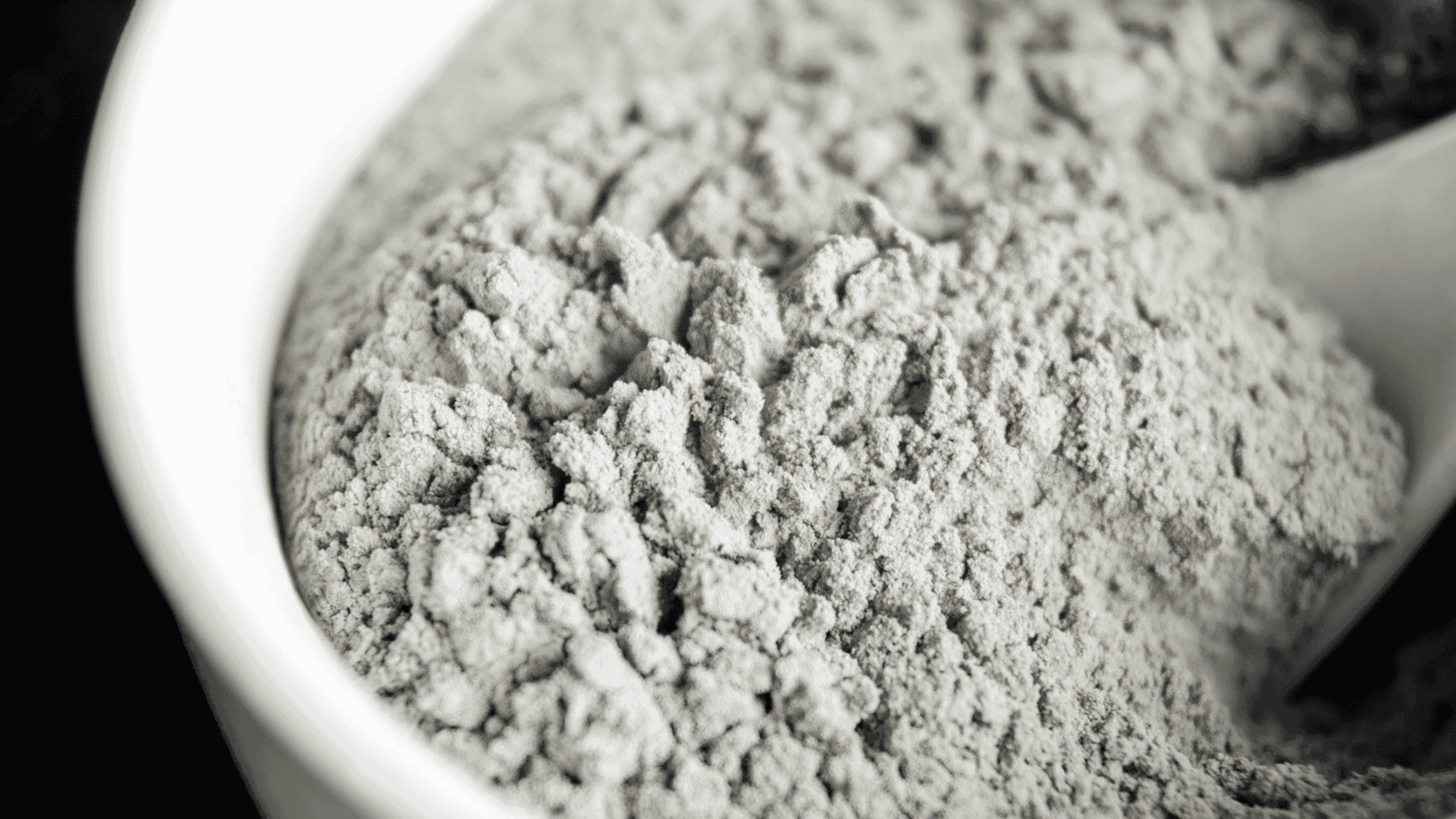
Bentonite clay isn’t just any dirt from the ground. It’s a unique type of clay called montmorillonite, formed when volcanic ash ages over millions of years. What makes it special is its molecular structure and electrical properties. (1)
There are deposits throughout the world, but one of the largest is in Fort Benton, Wyoming. When mixed with water, an electric charge is created. Bentonite Clay also has the ability to pull excess hydrogen from the body’s cells and replace it with oxygen.
The Negative Charge Advantage
Bentonite clay’s real magic comes from its impressive absorption capabilities. This isn’t just about soaking up water – bentonite clay has a high cation exchange capacity. (2) It carries a strong negative electrical charge when it comes into contact with water.
This is crucial because:
Toxins have a positive charge — Heavy metals (lead, mercury, cadmium), chemicals, and pathogens are positively charged
Opposites attract — The clay’s negative charge creates an electromagnetic pull that binds to positively charged toxins
Toxins get trapped — Once bound to the clay, toxins can’t be absorbed by your body and are safely eliminated. Think of it like a magnet for toxins. When you consume bentonite clay or apply it to your skin, it actively seeks out and binds to harmful substances.
Mineral Content
You might be surprised to learn that bentonite clay is more than just clay – it’s full of minerals. It contains silicon, iron oxides, small amounts of magnesium, potassium, and calcium, and trace minerals like copper and zinc. These minerals contribute to the clay’s potential health benefits. For instance, the presence of calcium and magnesium might explain some of its soothing properties when used on skin irritations.
The Swelling and Absorption Mechanism
When bentonite clay mixes with water, it undergoes a dramatic transformation:
1. It swells to many times its original size
The layered structure expands, creating more surface area
2. It absorbs like a sponge.
The expanded layers trap water, oils, bacteria, and toxins between them.
3. It creates a pulling action
As it draws in liquids and particles, it literally pulls impurities from your gut or skin. This is why bentonite clay is so effective for both internal detoxification (binding to gut toxins) and external applications (drawing out skin impurities).
Why “Food-Grade” Bentonite Clay Matters
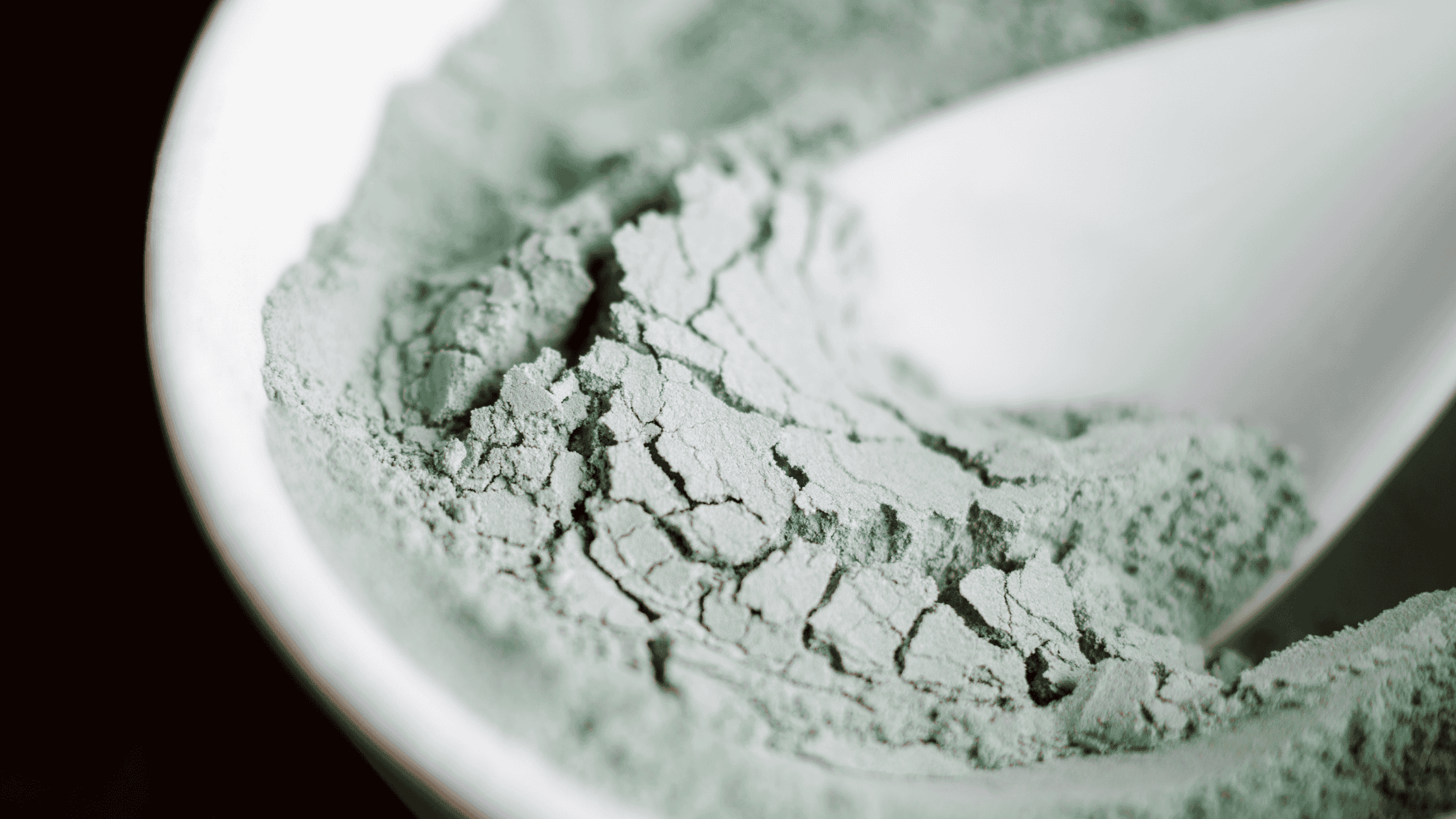
Not all bentonite clay works the same way. The effectiveness depends on:
Particle size: Finer particles = larger surface area = more binding capacity
Mineral composition: Calcium bentonite (better for internal use) vs. sodium bentonite (better for industrial use)
Purity: Contaminated clay introduces NEW toxins instead of removing them
This is why the safety warning below is so critical. The clay’s ability to bind to metals works both ways—if the clay itself contains lead or arsenic, you’re absorbing those toxins.
⚠️ IMPORTANT: Heavy Metal Contamination Warning: Not all bentonite clay is safe for internal use.
A 2016 FDA analysis found lead contamination in several commercial bentonite clay products, with some samples containing lead levels of 37.5 parts per million (ppm) (3). Some clays have also tested positive for arsenic and cadmium. (4)
To put this in perspective: the FDA considers lead levels above 0.05 ppm in fruit juice a health hazard — meaning some bentonite clay products contain lead levels 750 times higher than what’s considered safe in juice.
To protect yourself:
✅ Choose clays that have been third-party tested for heavy metals (lead, arsenic, cadmium, mercury)
✅ Request a Certificate of Analysis (COA) from the manufacturer
✅ Look for food-grade certification if using internally
✅ Avoid clays sourced from unknown or undisclosed locations
❌ Never use industrial-grade or cosmetic-grade clay internally
⚠️ Consult a healthcare provider before internal use, especially if you’re pregnant, nursing, or taking medications
In my practice as a bioenergetic practitioner, I only recommend bentonite clay products with verified third-party testing. The detoxification benefits aren’t worth the risk of introducing new toxins into your body.
Now that you understand HOW bentonite clay works at a molecular level, let’s explore the specific health benefits backed by research and clinical practice.
7 Science-Backed Benefits of Bentonite Clay
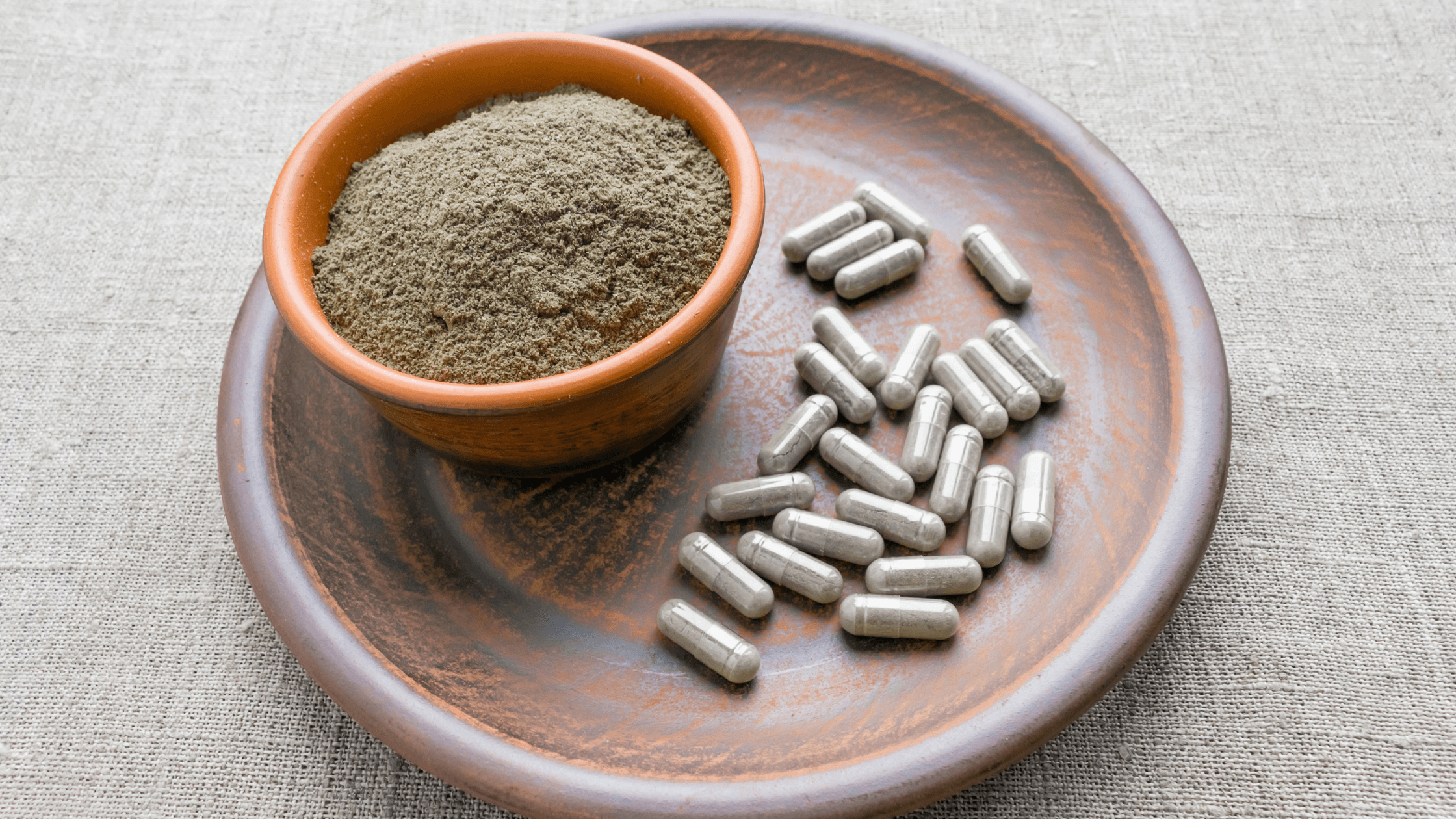
1. Detoxifies Heavy Metals from the Body
Bentonite clay has a strong negative ionic charge that attracts positively charged toxins like lead, mercury, cadmium, aluminum, and copper.
When consumed with water, the clay binds to these heavy metals in the digestive tract and helps eliminate them.
How it works:
- The clay’s negative charge creates an electromagnetic attraction to positively charged heavy metal ions
- These metals bind to the clay surface
- They are eliminated through bowel movements
What the research shows:
- In pigs, feeding bentonite for 100 days reduced lead concentrations in blood, brain, liver, bone, kidney, and hair. (1)
- In sheep, dietary bentonite decreased copper bioavailability. (1)
- In fish, bentonite helped reverse cadmium-induced oxidative damage in the liver and kidney. (1)
While human clinical trials are limited, the clay’s binding mechanism works the same way in the digestive tract—trapping positively charged metal ions before they can be absorbed. Heavy metals can disrupt the Nervous System and mineral balance, so reducing their load matters.
Bioenergetic insight:
In practice, clients with high mercury resonance (often from dental amalgams or fish consumption) show noticeable shifts after using bentonite clay.
Best practice:
Most effective when taken on an empty stomach, away from food and medications.
2. Binds to Toxins, Mycotoxins, and Environmental Chemicals
Bentonite clay’s detoxifying power comes from its ability to bind to toxins through adsorption.
It can bind to:
- Aflatoxins (toxic compounds produced by molds)
- Pesticides and herbicides
- Environmental toxins
What the research shows:
- Multiple peer-reviewed studies have shown bentonite clay can reduce aflatoxin absorption by up to 90% when taken internally. (5) (6) (7) It’s so effective that it’s used in agricultural settings to reduce mycotoxin contamination in animal feed (8) and has been studied for human use in areas with high aflatoxin exposure, like Ghana and Kenya. (9)
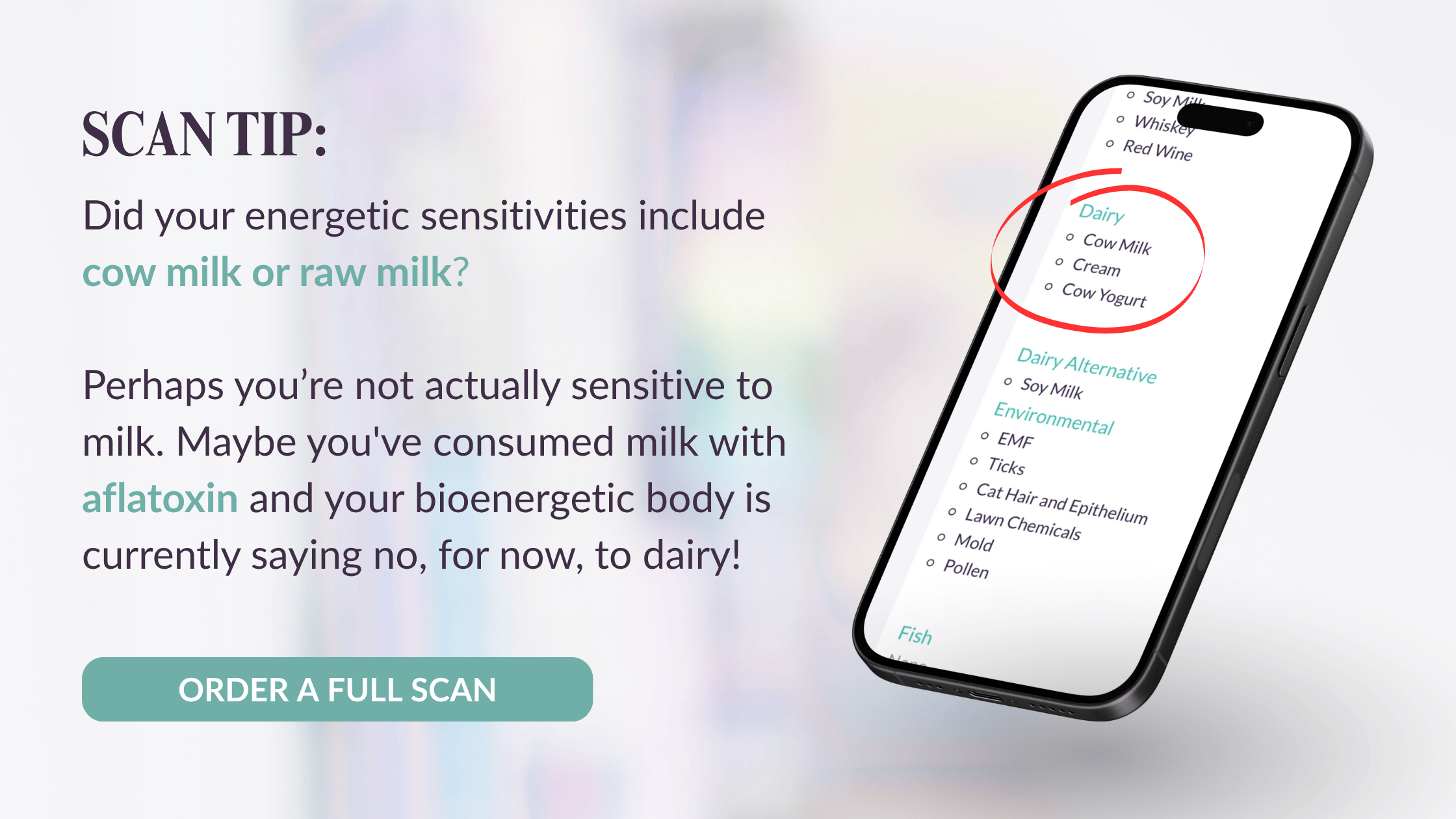
- It has been used to reduce aflatoxin levels in foods like milk. (10)
This is why it’s often used in mold and toxin support protocols.
Why this matters:
Mold exposure is increasingly common in water-damaged buildings, contaminated foods (grains, coffee, nuts), and humid environments. Mycotoxins can accumulate in the body, causing:
- Fatigue
- Brain fog
- Respiratory problems
- Immune stress
- Hormonal imbalances
- Inflammation
Mechanism:
The clay’s layered structure and charge trap toxin molecules and prevent them from being absorbed through the intestinal wall.
Bioenergetic insight:
In my practice, clients with known mold exposure or suspected mycotoxin accumulation show improved energetic markers in the liver and detox pathways after incorporating bentonite clay into their protocols for 4-6 weeks. When combined with binders like Takesumi Supreme activated charcoal, this can help provide comprehensive mold detox support.
3. Supports Digestive Health and Gut Function
Bentonite clay may support digestive health by binding to toxins, pathogens, and inflammatory compounds in the gut.
Potential benefits:
- Reduces bloating and gas
- Supports regular bowel movements
- May help with IBS symptoms
- Binds harmful bacteria like E. coli and food-borne pathogens
- Supports gut lining integrity (may help with leaky gut syndrome)
- Absorbs excess stomach acid
Constipation support:
Its absorbent properties can add bulk to stool and regulate bowel movements.
However:
- It pulls in water
- Poor hydration can lead to constipation or even intestinal obstruction
So hydration is non-negotiable.
IBS research:
- In a study using 3g, 3x daily for 8 weeks, bentonite helped regulate bowel habits (1)
- Especially helpful for constipation-predominant IBS
- Did not significantly improve pain for all IBS types
Additional research:
- Clinical trials show reductions in IBS symptoms like bloating and discomfort
- Animal studies suggest improved intestinal barrier function
Important note: Always take bentonite clay at least 2 hours away from meals and medications to avoid binding to nutrients and drugs. Increase water intake to prevent constipation.
4. Supports Liver Function and Overall Detox Pathways
Your liver is constantly processing toxins, hormones, and metabolic waste.
Bentonite clay may support this process by:
- Binding toxins in the gut
- Preventing reabsorption
- Reducing the burden on detox pathways
Research findings:
- Bentonite clay helps protect against aflatoxin-related liver damage
- In animal studies, it partially restored liver function in contaminated diets (1)
5. Provides Antibacterial and Antimicrobial Protection
Bentonite clay has natural antibacterial properties that work both internally and topically.
Research shows effectiveness against:
- E. coli
- Staphylococcus aureus
- Salmonella
- Pseudomonas aeruginosa
The clay disrupts bacterial cell walls and interferes with their reproduction.
Internal benefits:
- May help reduce harmful gut bacteria
- Supports immune function
- Creates an environment less favorable for pathogens
- Does not appear to disrupt beneficial bacteria like antibiotics
Topical antibacterial uses:
– Minor cuts, scrapes, and abrasions
-Soothing poison ivy, poison oak, and insect bites
-Reducing body odor (excellent for armpit detox)
-Diaper rash
6. Draws Out Impurities and Supports Skin Health
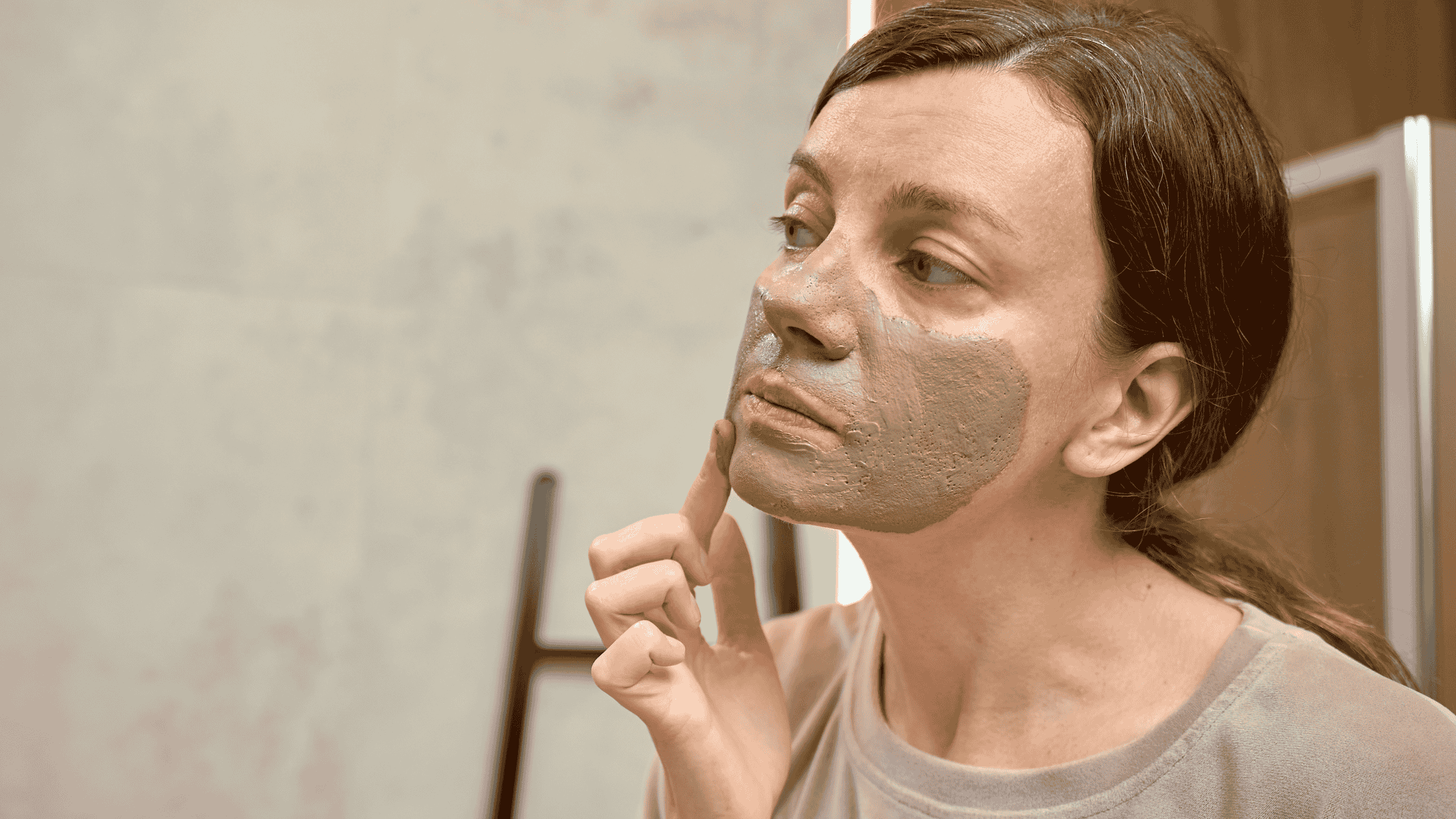
When applied topically, bentonite clay acts like a magnet for dirt, oil, bacteria, and environmental pollutants trapped in your pores. As the clay absorbs water and swells, it pulls these impurities to the skin’s surface for easy removal.
Skin benefits:
- Reduces acne and breakouts
- Helps with blackheads and clogged pores
- Controls excess oil
- Improves overall skin texture
- Reduces inflammation and redness
Research + observations:
Dermatological studies have shown bentonite clay masks can reduce acne lesions by up to 54%, decrease skin oiliness, and improve overall skin texture through their antibacterial and absorbent properties. (11)
From practice:
Clients using bentonite clay face masks weekly report clearer skin, reduced breakouts, smaller-looking pores, and a more even skin tone within 2-3 weeks. The key is consistency and not letting the clay completely dry on the skin.
Additional skin applications:
- Eczema
- Psoriasis
- Rashes
- UV protection support when combined with sunscreen
7. Reduces Inflammation and Supports Healing
Bentonite clay has natural anti-inflammatory properties that can help reduce swelling, redness, pain, and discomfort — both internally and when applied topically.
You’ll see this show up across a few different areas.
Skin: It’s commonly used for eczema and atopic dermatitis, psoriasis flare-ups, contact dermatitis, rashes, sunburn, and even insect bites or stings. It’s one of those applications where people tend to notice the effect fairly quickly.
Joint and muscle support: Clay poultices are often applied to sore joints like knees, elbows, or wrists, as well as areas of muscle soreness after exercise, arthritis-related discomfort, or sports injuries.
Part of this comes down to how bentonite clay works once it’s hydrated. Its negative charge helps neutralize inflammatory compounds and free radicals, while also drawing circulation toward the area it’s applied to. That increase in blood flow can support the healing process, and the cooling effect of wet clay adds a layer of immediate relief.
Research + observations:
Reductions in inflammatory markers like C-reactive protein, along with improvements in tissue repair, have been shown. (12) It’s also been used traditionally for centuries in poultices and healing preparations across different cultures.
How to Use Bentonite Clay: Step-by-Step Guide
For Topical/Skin Use (Face Masks, Body Applications)
What you’ll need:
- 1-2 tablespoons bentonite clay powder
- Filtered or distilled water (NEVER tap water – chlorine interferes with the clay’s charge)
- Non-metal bowl (glass, ceramic, or plastic)
- Wooden or plastic spoon (metal interferes with the clay’s ionic charge)
Instructions:
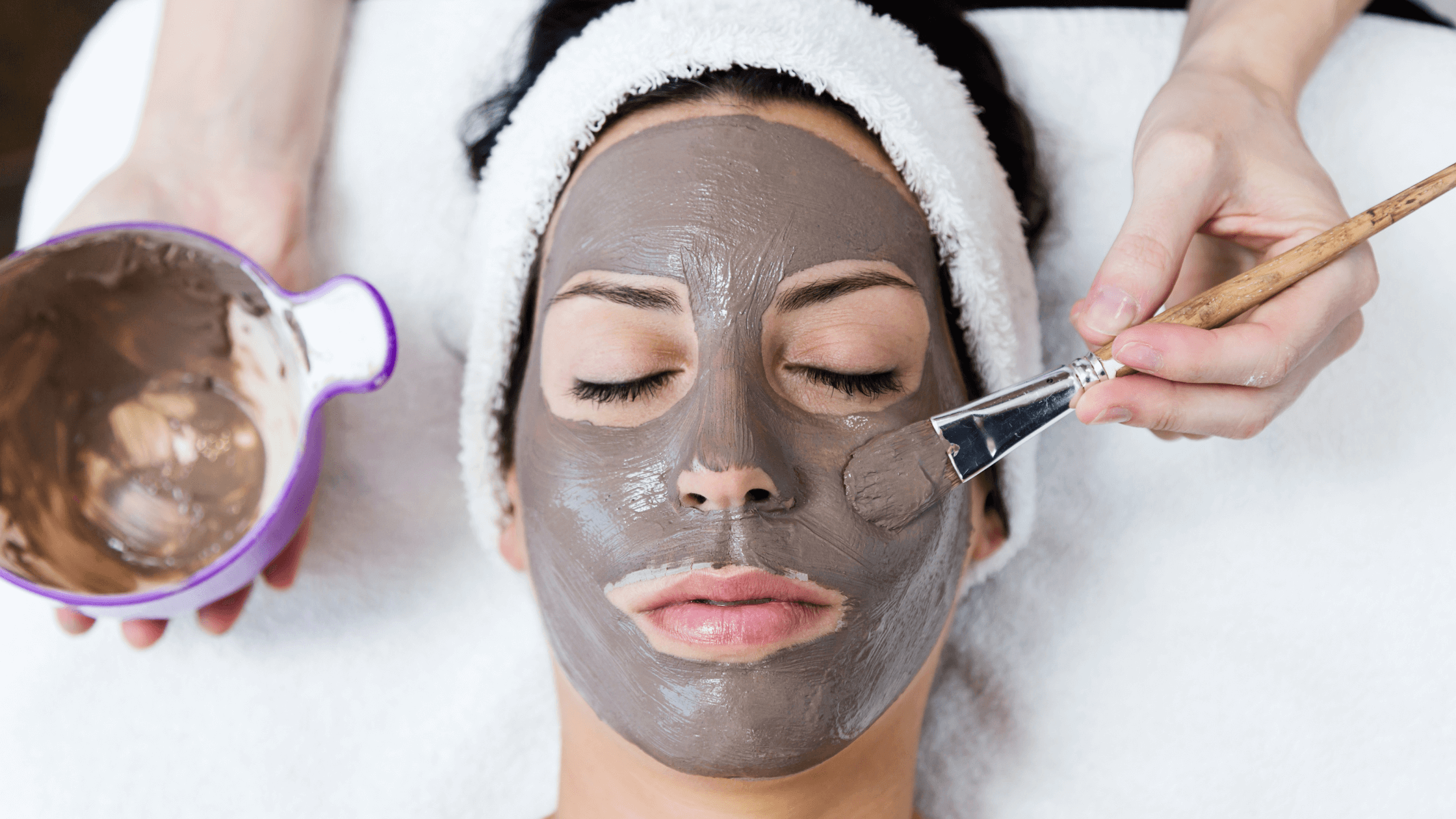
1. Mix the clay: Add 1-2 tablespoons of bentonite clay powder to your non-metal bowl
2. Add water slowly: Pour filtered water in small amounts, stirring continuously until you get a smooth, yogurt-like consistency
3. Apply to clean skin: Wash your face first, then use clean fingers or a brush to apply a thin, even layer
4. Timing is critical: Leave on for 10-15 minutes maximum. Never let the clay dry completely on your skin — this can cause dehydration. Mist with water if it starts to crack
5. Remove gently: Rinse with warm water using circular motions
6. Moisturize: Follow immediately with your favorite moisturizer or facial oil
Frequency: Start with once per week. You can increase to 2-3 times weekly if your skin tolerates it well.
For Internal Use (Detoxification)
CRITICAL: Consult your healthcare provider before internal use.
This is especially important if you:
- Take prescription medications
- Are pregnant or nursing
- Have kidney disease or intestinal blockage
- Have a history of constipation
What to expect:
– Some people experience mild detox symptoms (headache, fatigue) in the first few days
– Bowel movements may change — increase water intake if constipation occurs
– You may notice improved energy and mental clarity after the first week
DIY Bentonite Clay Recipes
Armpit Detox (Before Switching to Natural Deodorant)
– 1 tablespoon bentonite clay
– 1 teaspoon apple cider vinegar
– 1-2 teaspoons water
Apply to clean, dry underarms, leave for 5-10 minutes, rinse. Do this 2-3 times in the first week of transitioning to natural deodorant.
Heavy Metal Detox Foot Soak
– 1/4 cup bentonite clay
– 1/4 cup Epsom salt
– Warm water in foot basin
Soak feet for 20-30 minutes. Use 2-3 times weekly during active detox phases.
Full-Body Detox Bath
– 1/2 cup bentonite clay
– 1 cup Epsom salt
– 1/4 cup baking soda
– Warm bath water
Soak for 20-30 minutes. Use once weekly, ideally before bed (it’s very relaxing)
Bentonite clay is a versatile and natural way to support overall well-being. Its unique structure and properties make it a powerful tool for digestive health, detoxification, and skincare. Whether you’re dealing with gut issues, looking to detox, or simply want to try a natural approach to skincare, bentonite clay has something to offer.
The many benefits of bentonite clay include its versatility. From its unique structure to its absorption properties and mineral content, bentonite clay offers a natural solution for various health and wellness applications.

About the Author Samantha Stupak:
Samantha Stupak is the Founder of CBH Energetics with over 12 years of experience and more than 50,000 bioenergetic scans analyzed worldwide. Her work focuses on identifying patterns of imbalance across systems and helping clients and practitioners understand the deeper connections driving their health challenges. Her methodologies are applied across thousands of client cases annually. Her areas of expertise include bioenergetic testing, hormone balancing, detoxification, nervous system regulation, metabolic health, and Lyme disease. She also sits on the board of the American Intervention Institute.
Hear Samantha’s Story and connect with her here: LinkedIn Profile
Her work and insights have been featured in:
- Be Organic Podcast
- The Pet Parenting Reset
- Healthy by Heather Brown
- Voyager Minnesota Publication
- Baumen Wellness with Dr. Ed Bauman
- Break the Rules Podcast with Dr. Lauryn Lax
Explore CBH platforms:
References:
(1) Moosavi M. Bentonite Clay as a Natural Remedy: A Brief Review. Iran J Public Health. 2017 Sep;46(9):1176-1183. PMID: 29026782; PMCID: PMC5632318.
(2) WebMD. (n.d.). Bentonite clay benefits. WebMD. https://www.webmd.com/a-to-z-guides/bentonite-clay-benefits
(3) U.S. Food and Drug Administration. (2016). “FDA warns consumers about health risks with Alikay Naturals – Bentonite Me Baby – Bentonite Clay.” Retrieved from https://wayback.archive-it.org/7993/20180125071451/www.fda.gov/Drugs/DrugSafety/ucm483838.htm
(4) Bradham, K.D., et al. (2020). “In-vitro bioaccessibility and bioavailability of heavy metals in mineral clay complex used in natural health products.” Scientific Reports, 10, 8575. https://doi.org/10.1038/s41598-020-65449-4
(5) Mitchell, N.J., et al. (2014). https://pmc.ncbi.nlm.nih.gov/articles/PMC5561728/
(6) Wang, P., et al. (2012). https://pubmed.ncbi.nlm.nih.gov/22324939/
(7) Mitchell, N.J., et al. (2016). https://doi.org/10.1080/19440049.2016.1198498
(8) Phillips, T.D., et al. (2008). https://pubmed.ncbi.nlm.nih.gov/18286403/
(9) Afriyie-Gyawu, E., et al. (2008). https://pubmed.ncbi.nlm.nih.gov/18041596/
(10) Hamad, G.M., et al. (2023). https://pmc.ncbi.nlm.nih.gov/articles/PMC9966358/
(11) Lee, J. Y, Suh, H. N., Choi, K. Y., Song, C. W., & Hwang, J. H. (2022). Regenerative and anti-inflammatory effect of a novel bentonite complex on burn wounds. Veterinary Medicine and Science, 8, 2422–2433. https://doi.org/10.1002/vms3.908
(12) Zhang X, Zhang Z, Tao H, He X, Hsu K, Wang W, Fang X, Steel A. Comprehensive assessment of the efficacy and safety of a clay mask in oily and acne skin. Skin Res Technol. 2023 Nov;29(11):e13513. doi: 10.1111/srt.13513. PMID: 38009030; PMCID: PMC10626287.
DISCLAIMER: Balanced Health, LLC/CBH Energetics and any parent, subsidiary, affiliated, or related entities and companies do not provide medical advice or services. This post and the bioenergetic products and services offered by Balanced Health, LLC/CBH Energetics including, but not limited to, bioenergetic tests, bioenergetic scans, bioenergetic reports and related products and services (collectively the “Bioenergetic Products and Services”) are designed for educational and informational purposes only and are not intended to diagnose, treat, cure, or prevent any disease, condition, complaint, illness or medical condition and are not a substitute for professional services or medical advice. Testing is not used for the purpose of obtaining information for the diagnosis, prevention, or treatment of disease or the assessment of a health condition or for identification purposes.
