What is Cholecystokinin (CCK)?
Cholecystokinin (CCK) is a peptide hormone and neurotransmitter produced in the small intestine that stimulates gallbladder contraction, triggers pancreatic enzyme secretion, delays gastric emptying, and signals satiety to reduce food intake by 15-30% (1) (2)
While not as well-known as cortisol, estrogen, or testosterone, CCK plays an integral role in both your Digestive and Nervous Systems—and may be the missing piece in understanding your digestive stress, unexplained cravings, or weight management challenges.
First discovered in 1928 for its ability to stimulate gallbladder contraction, CCK was also identified as the first intestinal satiety signal to the brain. (3) At CBH Energetics, we commonly see CCK imbalances appear in bioenergetic reports alongside stressed digestive organs, hormone disruption, and appetite dysregulation.
In this comprehensive guide, you’ll learn:
- What CCK does in your body (digestion + brain function)
- How CCK controls appetite and prevents overeating
- What CCK deficiency looks like on your bioenergetic report
- Science-backed ways to increase CCK naturally through food
- The connection between CCK, menopause cravings, and weight gain
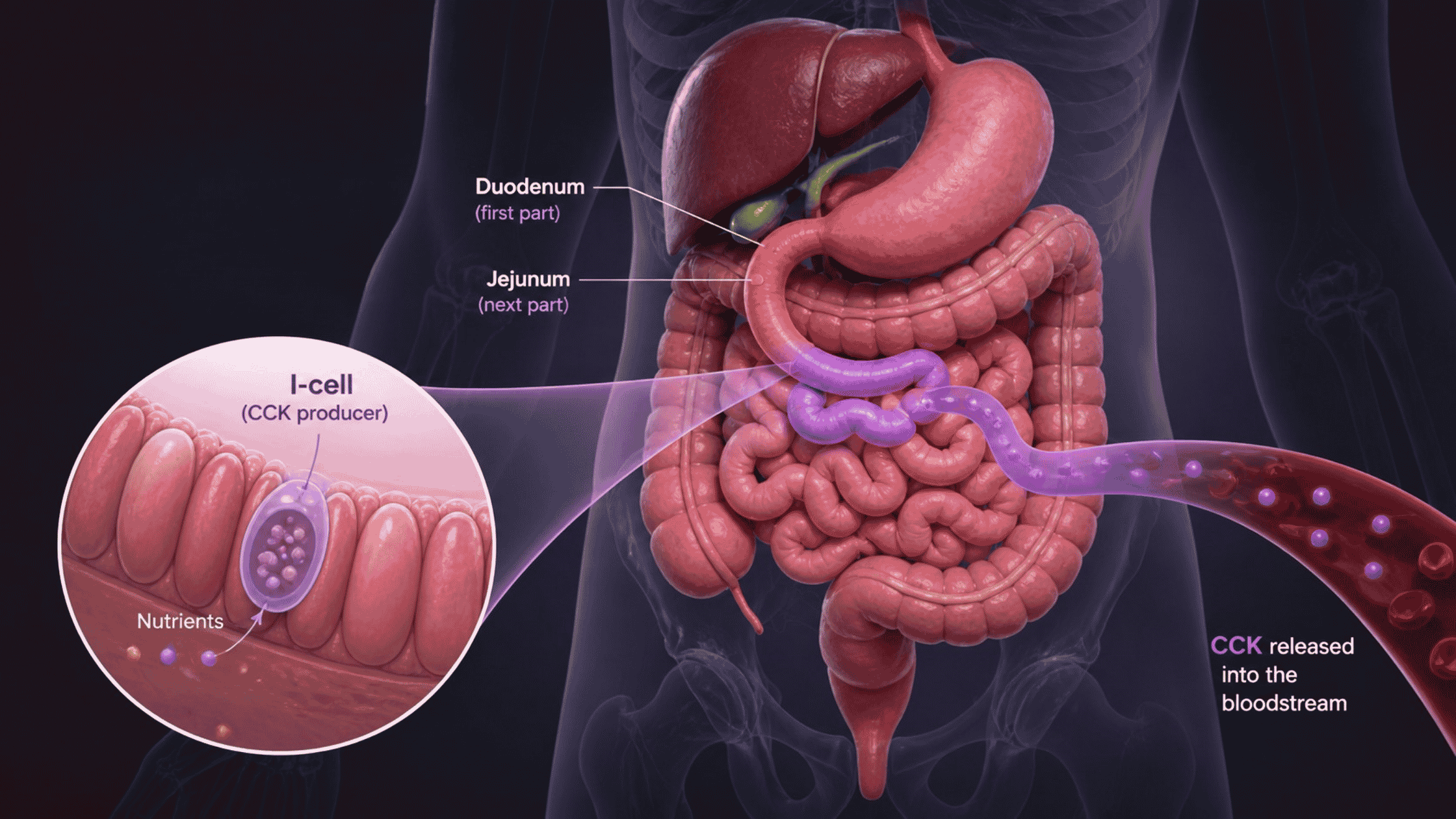
Cholecystokinin is produced by specialized I-cells in the duodenum and jejunum (first sections of your small intestine) and released into the bloodstream in response to the presence of food—especially fats and proteins. (3) (4) CCK acts as a messenger, relaying information between the gut and the brain to regulate digestion, appetite, and even stress response.
CCK can show up as high or low in the Energetic Hormonal Imbalances. You can see what these imbalances look like on our Sample Report.
What Does the Hormone Cholecystokinin Do in the Digestive System?
CCK performs five primary digestive functions:
- stimulates pancreatic enzyme secretion for protein, fat, and carbohydrate breakdown
- causes gallbladder contraction to release bile for fat digestion
- slows gastric emptying
- regulates gut motility
- stops gastric acid secretion after meals
When food (especially fat and protein) enters the small intestine, CCK is released, signaling the pancreas to secrete enzymes that aid in the breakdown of fats, proteins, and carbohydrates. (3) These digestive enzymes include lipase (for fats), amylase (for carbohydrates), and proteases (for proteins).
Additionally, CCK causes the gallbladder to contract, releasing bile into the small intestine to facilitate the digestion and absorption of dietary fats.
Without adequate CCK signaling, you may experience:
- Difficulty digesting fatty meals
- Bloating after eating
- Malabsorption of fat-soluble vitamins (A, D, E, K)
- Sluggish gallbladder function (biliary dyskinesia)
Complete CCK Digestive Functions:
| CCK Function | Mechanism | What It Means for You |
|---|---|---|
| Pancreatic Enzyme Secretion | Activates pancreatic acinar cells | Breaks down fats, proteins, carbs for absorption |
| Gallbladder Contraction | Stimulates smooth muscle contraction | Releases bile for fat digestion |
| Delayed Gastric Emptying | Inhibits stomach motility | Prolongs fullness, stabilizes blood sugar |
| Gut Motility Regulation | Coordinates intestinal contractions | Optimizes nutrient absorption timing |
| Stops Gastric Acid | Regulates gastrin production | Prevents excess stomach acid after meals |
| Pancreatic Growth | Stimulates cell proliferation | Maintains pancreatic tissue health |
How Would This Look on Your Bioenergetic Test Report?
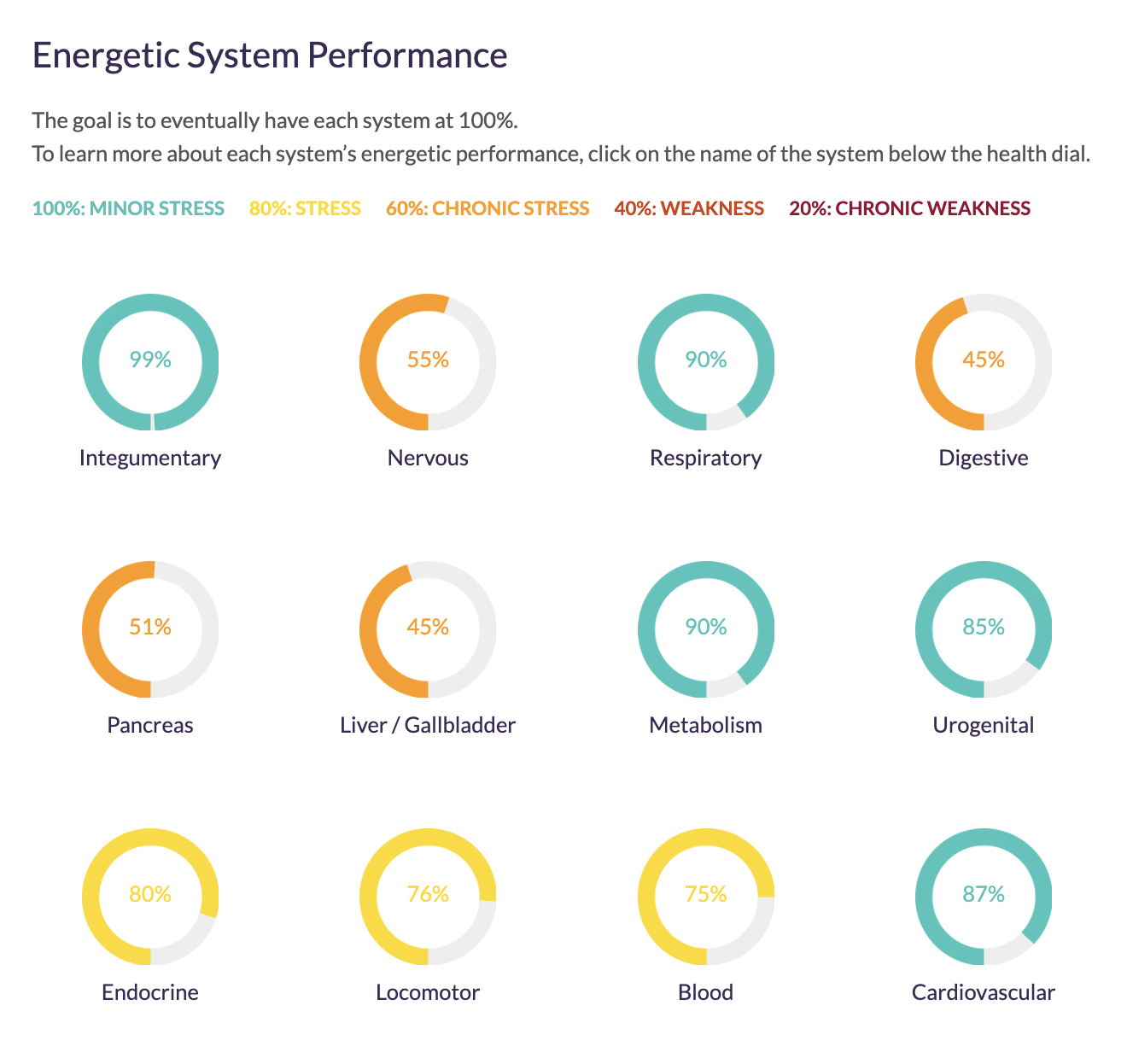
Your Full Scan report might show stress in your:
- Pancreas
- Digestive System
- Small Intestine
- Gallbladder
You might also see any combination of digestive enzymes energetically imbalanced. If you see these patterns combined with low CCK on your report, your body may be struggling to coordinate the digestive cascade. Supporting CCK production through targeted nutrition (covered below) may help restore this balance.
How Does Cholecystokinin Control Appetite and Satiety?
Cholecystokinin helps you feel full and naturally eat less. It works by sending signals from your gut to your brain (activating vagal afferent nerves in the stomach wall), so within about 15–20 minutes of eating, your body starts to register that you’ve had enough. (8) (9)
This makes CCK one of the most important hormones for preventing overeating and supporting healthy weight management.
Here Are Three Ways Cholecystokinin Connects to Appetite:
1. CCK signals your brain that you’ve had enough
CCK communicates directly with the brain’s satiety centers in the hypothalamus, helping reduce appetite and create that “I’m full” feeling. (9) The signal travels from your gut through the vagus nerve to your brainstem, then to your hypothalamus.
What this means for your bioenergetic report: If the hypothalamus is showing stress alongside low CCK, it can point to digestive stress paired with increased cravings. You’re eating… but the signal that you’re satisfied isn’t landing the same way.
A note for perimenopause and menopause: Hormone shifts can change how this signaling works. As estrogen levels drop, ghrelin (your hunger hormone) tends to rise, while the appetite-suppressing effect of CCK becomes less pronounced. (10) This hormonal shift explains why many women struggle with increased appetite and weight gain during perimenopause and menopause—even when eating the same foods as before.
2. CCK supports how well you break down and use food
CCK helps trigger the release of digestive enzymes needed to properly break down food and absorb nutrients. When signaling is low, digestion can slow down, and nutrient absorption may be less efficient.
And when your body isn’t getting what it needs at a cellular level, it can keep asking for more—often showing up as ongoing cravings, even when calorie intake looks “normal. (3)
Clinical evidence: Research has shown that individuals with obesity may have reduced sensitivity to CCK. (11) Over time, that blunted signaling can lead to eating more before fullness registers, which can reinforce the cycle.
3. CCK Slows Gastric Emptying
CCK slows down gastric emptying, prolonging the feeling of fullness and delaying hunger. This combined effect helps regulate food intake, prevents blood sugar spikes, and promotes healthy digestion. (5)
How the CCK Satiety Pathway Actually Plays Out:
It’s not instant. It’s a sequence your body moves through as you eat.
It starts here:
You eat a meal that includes protein and fat. As that food moves into the duodenum, it breaks down into fatty acids and amino acids.
Then your body responds:
Specialized cells (called I-cells) detect those nutrients and release CCK into the bloodstream.
Now the signal begins:
CCK attaches to receptors on vagal afferent nerves along the stomach wall. This is where your gut starts “talking” to your brain.
That message travels:
The vagus nerve carries the signal up to the brainstem and then to the hypothalamus, where appetite is regulated.
And this is where you feel it:
Your brain registers fullness. Appetite starts to settle. You naturally feel done eating.
Timeline: This entire process takes approximately 15-20 minutes, which is why eating slowly and mindfully helps you feel satisfied with less food.
What Role Does CCK Play in the Nervous System?
CCK isn’t just working in digestion. It’s actually one of the most abundant neuropeptides in the brain, with receptors in areas like the hypothalamus and brainstem that interact with neurotransmitters such as dopamine, serotonin, and glutamate.
In other words, it’s part of the communication between your gut, brain, and mood.
There’s also growing research looking at how CCK may be involved in conditions like Alzheimer’s disease, Parkinson’s disease, anxiety, and depression. (12) (13)
CCK and Anxiety/Stress Response
CCK is closely tied to how the body responds to stress and anxiety. It behaves a lot like a neurotransmitter and can influence things like mood, reward-driven behavior, and emotional responses. (11)
What’s interesting is that its effects aren’t one-directional:
- At lower, more natural levels, CCK tends to have a calming, anti-anxiety effect
- At higher levels, it can trigger anxiety or even panic-like symptoms
In fact, a specific form of CCK (called CCK-4) is used in research settings to study panic responses and test anti-anxiety medications. Some studies have also found higher CCK activity in certain brain regions in individuals with panic disorders. (11)
CCK and Pain Perception
CCK also interacts with the brain’s pain pathways, partly through its influence on dopamine signaling. And this is where it starts to connect to behavior.
Because CCK is released when you eat and is tied to both reward and pain modulation, it may play a role in why some people reach for food when dealing with physical discomfort or emotional stress.
It’s not just about hunger. It’s part of a broader feedback loop among the nervous system, reward pathways, and the body’s stress processing.
How to Increase CCK Naturally Through Foods
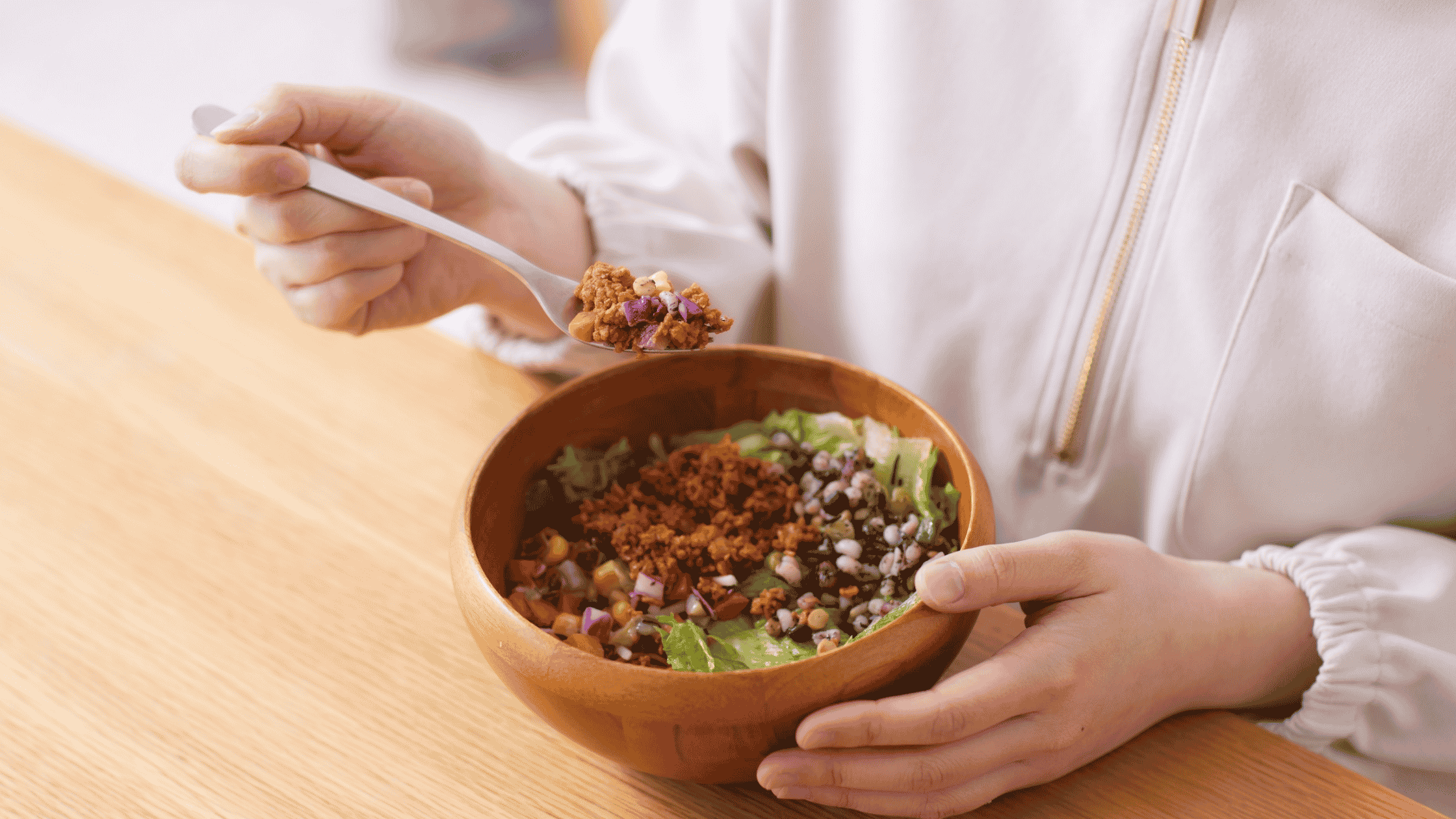
You can increase CCK production naturally by consuming protein-rich foods (which boost CCK by 40%), healthy fats, and high-fiber foods.
1. Protein-Rich Foods
Best sources:
- Fatty fish (salmon, mackerel, sardines)
- Eggs: Rich in phenylalanine and tryptophan, which directly stimulate CCK secretion via calcium-sensing receptors
- Grass-fed beef: Contains 500% more CLA (conjugated linoleic acid) than grain-fed beef, prolonging CCK’s hunger-suppressing effects
- Turkey and chicken breast: High in tryptophan (CCK trigger)
- Lentils and beans: 18g protein + 15g fiber per cup creates a sustained CCK surge lasting 40+ minutes (
2. Healthy Fats
Fatty acids in the duodenum are the most potent CCK stimulators
Best sources:
- Olive oil
- Avocado
- Nuts and seeds: Almonds, walnuts, pumpkin seeds (also high in magnesium, which supports CCK receptor function
- Coconut oil: Medium-chain triglycerides (MCTs)
3. Fiber-Rich Foods
Soluble fiber slows digestion and enhances CCK release
Best sources:
- Artichokes: Contain cynarin, which boosts CCK by slowing carbohydrate absorption
- Apples with nut butter
- Oats: Beta-glucan fiber
- Chia seeds and flaxseeds
Key Takeaways for the Hormone Cholecystokinin
In the Digestive System
- Digestion support: Regulates the release of pancreatic enzymes to help digest fats, proteins, and carbohydrates
- Gallbladder function: Causes contraction and relaxation to release bile acids for fat digestion in the small intestine
- Gut motility: Regulates overall digestive tract movement
- Gastric emptying: Slows stomach emptying to prolong fullness
- Acid control: Stops gastric acid secretion after a meal by regulating gastrin production
- Cell growth: Stimulates pancreatic cell proliferation
- Metabolic support: Aids energy production, gene expression, and protein synthesis
In the Nervous System
- Appetite regulation: Reduces food intake by 15-30% through satiety signaling
- Anxiety management: Modulates stress response and has potential anti-anxiety effects
- Pain perception: Influences pain control through dopamine pathways
- Brain health: Emerging research shows potential for Alzheimer’s and Parkinson’s treatment
Cholecystokinin (CCK) is far more than just a digestive hormone; it’s a critical messenger that coordinates gut function, brain signaling, appetite control, and even emotional well-being. While it may not be as well-known as cortisol or estrogen, CCK dysfunction can contribute to digestive distress, unexplained cravings, weight gain, anxiety, and poor nutrient absorption.
Maintaining a healthy balance of the hormone cholecystokinin involves supporting the nervous system and the stress response, which in turn may have an effect on eating behavior, as overeating can be one way of coping with stress.
You can naturally optimize CCK production through strategic nutrition:
- Prioritize protein and healthy fats in your meals (especially fatty fish, eggs, grass-fed meat)
- Add fiber-rich foods (artichokes, lentils, apples)
- Eat mindfully and slowly to allow CCK signals to reach your brain
When looking at specific hormones on your Full Scan report, it is helpful to take a big-picture approach and support the stressed body systems, rather than the hormones in isolation.
About the Author: Samantha Stupak
Samantha Stupak is the Founder of CBH Energetics with over 12 years of experience and more than 50,000 bioenergetic scans analyzed worldwide. Her work focuses on identifying patterns of imbalance across systems and helping clients and practitioners understand the deeper connections driving their health challenges. Her methodologies are applied across thousands of client cases annually. Her areas of expertise include bioenergetic testing, hormone balancing, detoxification, nervous system regulation, metabolic health, and Lyme disease. She also sits on the board of the American Intervention Institute.
Hear Samantha’s Story and connect with her here: LinkedIn Profile
Her work and insights have been featured in:
- Be Organic Podcast
- The Pet Parenting Reset
- Healthy by Heather Brown
- Voyage Minnesota Publication
- Bauman Wellness with Dr. Ed Bauman
- Break the Rules Podcast with Dr. Lauryn Lax
Explore CBH platforms:
References:
- Rehfeld J. F. (2025). Cholecystokinin: Clinical aspects of the new biology. Journal of internal medicine, 298(3), 251–267. https://doi.org/10.1111/joim.20110
- Lieverse, R. J., Jansen, J. B., Masclee, A. M., & Lamers, C. B. (1994). Satiety effects of cholecystokinin in humans. Gastroenterology, 106(6), 1451–1454. https://doi.org/10.1016/0016-5085(94)90397-2
- Colorado State University. (n.d.). Cholecystokinin (CCK). https://vivo.colostate.edu/hbooks/pathphys/endocrine/gi/cck.html
- Wang, Y., Chandra, R., Samsa, L. A., Gooch, B., Fee, B. E., Cook, J. M., Vigna, S. R., Grant, A. O., & Liddle, R. A. (2011). Amino acids stimulate cholecystokinin release through the Ca2+-sensing receptor. American journal of physiology. Gastrointestinal and liver physiology, 300(4), G528–G537. https://doi.org/10.1152/ajpgi.00387.2010
- Rehfeld, J. F. (2023). Physiology of cholecystokinin. In UpToDate. Retrieved May 4, 2026, from https://www.uptodate.com/contents/physiology-of-cholecystokinin
- Chandra, Rashmi and Liddle, Rodger A. (2018). Cholecystokinin. Pancreapedia: Exocrine Pancreas Knowledge Base, DOI: 10.3998/panc.2018.18
- Stephen A. Wank. American Journal of Physiology-Gastrointestinal and Liver Physiology 1998 274:4, G607-G613 10.1152/ajpgi.1998.274.4.G607
- Lieverse, R. J., Jansen, J. B., Masclee, A. M., & Lamers, C. B. (1994). Satiety effects of cholecystokinin in humans. Gastroenterology, 106(6), 1451–1454. https://doi.org/10.1016/0016-5085(94)90397-2
- Peikin S. R. (1989). Role of cholecystokinin in the control of food intake. Gastroenterology clinics of North America, 18(4), 757–775.
- Steinert, R. E., Feinle-Bisset, C., Asarian, L., Horowitz, M., Beglinger, C., & Geary, N. (2017). Ghrelin, CCK, GLP-1, and PYY(3-36): Secretory Controls and Physiological Roles in Eating and Glycemia in Health, Obesity, and After RYGB. Physiological reviews, 97(1), 411–463. https://doi.org/10.1152/physrev.00031.2014
- Okonkwo O, Zezoff D, Adeyinka A. Biochemistry, Cholecystokinin. [Updated 2023 May 1]. In: StatPearls [Internet]. Treasure Island (FL): StatPearls Publishing; 2026
- Huang, FW., Bello, S.T. Role of Neuronal Cholecystokinin Receptor: An Emerging Therapeutic Target for Ameliorating Neurological Diseases. Mol Neurobiol 63, 296 (2026). https://doi.org/10.1007/s12035-025-05607-9
DISCLAIMER: Balanced Health, LLC/CBH Energetics and any parent, subsidiary, affiliated, or related entities and companies do not provide medical advice or services. This post and the bioenergetic products and services offered by Balanced Health, LLC/CBH Energetics including, but not limited to, bioenergetic tests, bioenergetic scans, bioenergetic reports and related products and services (collectively the “Bioenergetic Products and Services”) are designed for educational and informational purposes only and are not intended to diagnose, treat, cure, or prevent any disease, condition, complaint, illness or medical condition and are not a substitute for professional services or medical advice. Testing is not used for the purpose of obtaining information for the diagnosis, prevention, or treatment of disease or the assessment of a health condition or for identification purposes.
